[Imprint][Data Privacy Statement][E-Mail]


View long theorem info. View the proof. Back to main index. View the specification. View theorem base summary, View theorem base listing, the used properties by spec, the dependency list, the symbol table,

Proof step 1 from proof step-absstep-W2-W3-tau-other (conclusion) (back to tree)

ctrok(gs.ctr, gs.writers) ∧ writersOk(gs.p, gs.writers) ∧ pendingOk(gs.p), ctrok(gs0.ctr, gs0.writers) ∧ writersOk(gs0.p, gs0.writers) ∧ pendingOk(gs0.p), allReadsOK(ags.h) ∧ allWritesOK(ags.h) ∧ ags.vm = ∅ ⊕ ags.h ∧ ags.pm = ∅ ⊕ (ags.h | true), lsf(t) = ls, lsf0(t) = ls0, alsf(t) = als, alsf(t).t = t, lsf(t).t = t, ∀ t0. t0 ≠ t → lsf(t0).t = t0, ∀ t0. t0 ≠ t → alsf(t0).t = t0, pcf(t) = W2, pcf0(t) = W3, apcf(t) = apc, notMember(t, gs.readers) ∧ notMember(t, gs.writers) ∧ noPendingW(t, gs.p) ∧ noPending(t, gs.p), notMember(t, gs0.readers) ∧ oneMember(t, ls0.l, gs0.writers) ∧ noPending(t, gs0.p), PLIBLInv(ags, als, apc), t ≠ t0, lsf(t0).t = t0, FLITPSCLInv(gs, lsf(t0), pcf(t0)), FLITPSCLInv(gs0, lsf(t0), pcf(t0)), PLIBLInv(ags, alsf(t0), apcf(t0)), ∀ t1. t1 ≠ t ∧ t1 ≠ t0 → FLITPSCLInv(gs, lsf(t1), pcf(t1)) ∧ PLIBLInv(ags, alsf(t1), apcf(t1)) ∧ labs(gs, lsf(t1), pcf(t1), ags, alsf(t1), apcf(t1)), pre(gs, ls, W2, ctrIncPSC(t, l)) ∧ gs0 = gstepf(gs, ls, W2, ctrIncPSC(t, l)) ∧ ls0 = lstepf(gs, ls, W2, ctrIncPSC(t, l)) ∧ W3 = pcstepf(gs, ls, W2, ctrIncPSC(t, l)), ags.pm = gs.mem ∧ ags.vm = gs.mem ⊕ gs.p ∧ abs(ags.h, gs.readers, gs.p), ls.t = als.t ∧ apc = invWrite ∧ (ls.l = als.il ∧ ls.v = als.iv) ∧ (∀ l. ((ags.h | l) | ls.t) | false = []), lsf(t0).t = alsf(t0).t ∧ (pcf(t0) = idle → apcf(t0) = idle) ∧ (pcf(t0) = ready → apcf(t0) = ready) ∧ (pcf(t0) = crashed → apcf(t0) = crashed) ∧ (pcf(t0) = R1 → apcf(t0) = invRead) ∧ (pcf(t0) = R2 ∨ pcf(t0) = R3 ∨ pcf(t0) = R4 → apcf(t0) = resRead) ∧ (pcf(t0) = W1 ∨ pcf(t0) = W2 ∨ pcf(t0) = W3 → apcf(t0) = invWrite) ∧ (pcf(t0) = W4 ∨ pcf(t0) = W5 ∨ pcf(t0) = W6 ∨ pcf(t0) = W7 → apcf(t0) = resWrite) ∧ (pcf(t0) = R1 → lsf(t0).l = alsf(t0).il) ∧ (pcf(t0) = R2 ∨ pcf(t0) = R3 ∨ pcf(t0) = R4 → lsf(t0).v = alsf(t0).ov) ∧ ( pcf(t0) = W1 ∨ pcf(t0) = W2 ∨ pcf(t0) = W3 ∨ pcf(t0) = W4 ∨ pcf(t0) = W5 ∨ pcf(t0) = W6 ∨ pcf(t0) = W7 → lsf(t0).l = alsf(t0).il ∧ lsf(t0).v = alsf(t0).iv) ∧ ( pcf(t0) = idle ∨ pcf(t0) = ready ∨ pcf(t0) = R1 ∨ pcf(t0) = R4 ∨ pcf(t0) = W1 ∨ pcf(t0) = W5 → (∀ l. ¬ FO(lsf(t0).t) ∈ gs.p(l) → ((ags.h | l) | lsf(t0).t) | false = [])) ∧ (pcf(t0) = W2 ∨ pcf(t0) = W3 ∨ pcf(t0) = W6 ∨ pcf(t0) = W7 → (∀ l. ((ags.h | l) | lsf(t0).t) | false = [])) ∧ (pcf(t0) = R2 ∨ pcf(t0) = R3 → (∀ l0. l0 ≠ lsf(t0).l ∧ ¬ FO(lsf(t0).t) ∈ gs.p(l0) → ((ags.h | l0) | lsf(t0).t) | false = [])) ∧ (pcf(t0) = R2 → gs.ctr(lsf(t0).l) = 0 → ((ags.h | lsf(t0).l) | lsf(t0).t) | false = []) ∧ ( pcf(t0) = W4 → ((ags.h | lsf(t0).l) | lsf(t0).t) | false = (W(lsf(t0).t, lsf(t0).l, lsf(t0).v), false) ' ∨ ((ags.h | lsf(t0).l) | lsf(t0).t) | false = []) ⊦ lsf(t0).t = alsf(t0).t ∧ (pcf(t0) = idle → apcf(t0) = idle) ∧ (pcf(t0) = ready → apcf(t0) = ready) ∧ (pcf(t0) = crashed → apcf(t0) = crashed) ∧ (pcf(t0) = R1 → apcf(t0) = invRead) ∧ (pcf(t0) = R2 ∨ pcf(t0) = R3 ∨ pcf(t0) = R4 → apcf(t0) = resRead) ∧ (pcf(t0) = W1 ∨ pcf(t0) = W2 ∨ pcf(t0) = W3 → apcf(t0) = invWrite) ∧ (pcf(t0) = W4 ∨ pcf(t0) = W5 ∨ pcf(t0) = W6 ∨ pcf(t0) = W7 → apcf(t0) = resWrite) ∧ (pcf(t0) = R1 → lsf(t0).l = alsf(t0).il) ∧ (pcf(t0) = R2 ∨ pcf(t0) = R3 ∨ pcf(t0) = R4 → lsf(t0).v = alsf(t0).ov) ∧ ( pcf(t0) = W1 ∨ pcf(t0) = W2 ∨ pcf(t0) = W3 ∨ pcf(t0) = W4 ∨ pcf(t0) = W5 ∨ pcf(t0) = W6 ∨ pcf(t0) = W7 → lsf(t0).l = alsf(t0).il ∧ lsf(t0).v = alsf(t0).iv) ∧ ( pcf(t0) = idle ∨ pcf(t0) = ready ∨ pcf(t0) = R1 ∨ pcf(t0) = R4 ∨ pcf(t0) = W1 ∨ pcf(t0) = W5 → (∀ l. ¬ FO(lsf(t0).t) ∈ gs0.p(l) → ((ags.h | l) | lsf(t0).t) | false = [])) ∧ (pcf(t0) = W2 ∨ pcf(t0) = W3 ∨ pcf(t0) = W6 ∨ pcf(t0) = W7 → (∀ l. ((ags.h | l) | lsf(t0).t) | false = [])) ∧ (pcf(t0) = R2 ∨ pcf(t0) = R3 → (∀ l0. l0 ≠ lsf(t0).l ∧ ¬ FO(lsf(t0).t) ∈ gs0.p(l0) → ((ags.h | l0) | lsf(t0).t) | false = [])) ∧ (pcf(t0) = R2 → gs0.ctr(lsf(t0).l) = 0 → ((ags.h | lsf(t0).l) | lsf(t0).t) | false = []) ∧ ( pcf(t0) = W4 → ((ags.h | lsf(t0).l) | lsf(t0).t) | false = (W(lsf(t0).t, lsf(t0).l, lsf(t0).v), false) ' ∨ ((ags.h | lsf(t0).l) | lsf(t0).t) | false = [])

System applied rule normalize

And obtained the following new goals

Rule argument

Additional information

Proof step 2 from proof step-absstep-W2-W3-tau-other (previous step) (back to tree)

ls.l = als.il, ags.pm = gs.mem, ags.pm = ∅ ⊕ (ags.h | true), lsf(t0).t = alsf(t0).t, ls.t = als.t, lsf(t0).t = t0, lsf(t).t = t, alsf(t).t = t, ls.v = als.iv, ags.vm = gs.mem ⊕ gs.p, ags.vm = ∅ ⊕ ags.h, W3 = pcstepf(gs, ls, W2, ctrIncPSC(t, l)), alsf(t) = als, apc = invWrite, apcf(t) = apc, gs0 = gstepf(gs, ls, W2, ctrIncPSC(t, l)), ls0 = lstepf(gs, ls, W2, ctrIncPSC(t, l)), lsf(t) = ls, lsf0(t) = ls0, pcf(t) = W2, pcf0(t) = W3, t ≠ t0, FLITPSCLInv(gs0, lsf(t0), pcf(t0)), FLITPSCLInv(gs, lsf(t0), pcf(t0)), PLIBLInv(ags, alsf(t0), apcf(t0)), PLIBLInv(ags, als, apc), abs(ags.h, gs.readers, gs.p), allReadsOK(ags.h), allWritesOK(ags.h), ctrok(gs0.ctr, gs0.writers), ctrok(gs.ctr, gs.writers), noPending(t, gs0.p), noPending(t, gs.p), noPendingW(t, gs.p), notMember(t, gs0.readers), notMember(t, gs.readers), notMember(t, gs.writers), oneMember(t, ls0.l, gs0.writers), pendingOk(gs0.p), pendingOk(gs.p), pre(gs, ls, W2, ctrIncPSC(t, l)), writersOk(gs0.p, gs0.writers), writersOk(gs.p, gs.writers), pcf(t0) = idle → apcf(t0) = idle, pcf(t0) = ready → apcf(t0) = ready, pcf(t0) = crashed → apcf(t0) = crashed, pcf(t0) = R1 → apcf(t0) = invRead, pcf(t0) = R2 ∨ pcf(t0) = R3 ∨ pcf(t0) = R4 → apcf(t0) = resRead, pcf(t0) = W1 ∨ pcf(t0) = W2 ∨ pcf(t0) = W3 → apcf(t0) = invWrite, pcf(t0) = W4 ∨ pcf(t0) = W5 ∨ pcf(t0) = W6 ∨ pcf(t0) = W7 → apcf(t0) = resWrite, pcf(t0) = R1 → lsf(t0).l = alsf(t0).il, pcf(t0) = R2 ∨ pcf(t0) = R3 ∨ pcf(t0) = R4 → lsf(t0).v = alsf(t0).ov, pcf(t0) = W1 ∨ pcf(t0) = W2 ∨ pcf(t0) = W3 ∨ pcf(t0) = W4 ∨ pcf(t0) = W5 ∨ pcf(t0) = W6 ∨ pcf(t0) = W7 → lsf(t0).l = alsf(t0).il ∧ lsf(t0).v = alsf(t0).iv, pcf(t0) = idle ∨ pcf(t0) = ready ∨ pcf(t0) = R1 ∨ pcf(t0) = R4 ∨ pcf(t0) = W1 ∨ pcf(t0) = W5 → (∀ l. ¬ FO(lsf(t0).t) ∈ gs.p(l) → ((ags.h | l) | lsf(t0).t) | false = []), pcf(t0) = W2 ∨ pcf(t0) = W3 ∨ pcf(t0) = W6 ∨ pcf(t0) = W7 → (∀ l. ((ags.h | l) | lsf(t0).t) | false = []), pcf(t0) = R2 ∨ pcf(t0) = R3 → (∀ l0. l0 ≠ lsf(t0).l ∧ ¬ FO(lsf(t0).t) ∈ gs.p(l0) → ((ags.h | l0) | lsf(t0).t) | false = []), pcf(t0) = R2 → gs.ctr(lsf(t0).l) = 0 → ((ags.h | lsf(t0).l) | lsf(t0).t) | false = [], pcf(t0) = W4 → ((ags.h | lsf(t0).l) | lsf(t0).t) | false = (W(lsf(t0).t, lsf(t0).l, lsf(t0).v), false) ' ∨ ((ags.h | lsf(t0).l) | lsf(t0).t) | false = [], ∀ l. ((ags.h | l) | ls.t) | false = [], ∀ t1. t1 ≠ t ∧ t1 ≠ t0 → FLITPSCLInv(gs, lsf(t1), pcf(t1)) ∧ PLIBLInv(ags, alsf(t1), apcf(t1)) ∧ labs(gs, lsf(t1), pcf(t1), ags, alsf(t1), apcf(t1)), ∀ t0. t0 ≠ t → alsf(t0).t = t0, ∀ t0. t0 ≠ t → lsf(t0).t = t0 ⊦ lsf(t0).t = alsf(t0).t ∧ (pcf(t0) = idle → apcf(t0) = idle) ∧ (pcf(t0) = ready → apcf(t0) = ready) ∧ (pcf(t0) = crashed → apcf(t0) = crashed) ∧ (pcf(t0) = R1 → apcf(t0) = invRead) ∧ (pcf(t0) = R2 ∨ pcf(t0) = R3 ∨ pcf(t0) = R4 → apcf(t0) = resRead) ∧ (pcf(t0) = W1 ∨ pcf(t0) = W2 ∨ pcf(t0) = W3 → apcf(t0) = invWrite) ∧ (pcf(t0) = W4 ∨ pcf(t0) = W5 ∨ pcf(t0) = W6 ∨ pcf(t0) = W7 → apcf(t0) = resWrite) ∧ (pcf(t0) = R1 → lsf(t0).l = alsf(t0).il) ∧ (pcf(t0) = R2 ∨ pcf(t0) = R3 ∨ pcf(t0) = R4 → lsf(t0).v = alsf(t0).ov) ∧ ( pcf(t0) = W1 ∨ pcf(t0) = W2 ∨ pcf(t0) = W3 ∨ pcf(t0) = W4 ∨ pcf(t0) = W5 ∨ pcf(t0) = W6 ∨ pcf(t0) = W7 → lsf(t0).l = alsf(t0).il ∧ lsf(t0).v = alsf(t0).iv) ∧ ( pcf(t0) = idle ∨ pcf(t0) = ready ∨ pcf(t0) = R1 ∨ pcf(t0) = R4 ∨ pcf(t0) = W1 ∨ pcf(t0) = W5 → (∀ l. ¬ FO(lsf(t0).t) ∈ gs0.p(l) → ((ags.h | l) | lsf(t0).t) | false = [])) ∧ (pcf(t0) = W2 ∨ pcf(t0) = W3 ∨ pcf(t0) = W6 ∨ pcf(t0) = W7 → (∀ l. ((ags.h | l) | lsf(t0).t) | false = [])) ∧ (pcf(t0) = R2 ∨ pcf(t0) = R3 → (∀ l0. l0 ≠ lsf(t0).l ∧ ¬ FO(lsf(t0).t) ∈ gs0.p(l0) → ((ags.h | l0) | lsf(t0).t) | false = [])) ∧ (pcf(t0) = R2 → gs0.ctr(lsf(t0).l) = 0 → ((ags.h | lsf(t0).l) | lsf(t0).t) | false = []) ∧ ( pcf(t0) = W4 → ((ags.h | lsf(t0).l) | lsf(t0).t) | false = (W(lsf(t0).t, lsf(t0).l, lsf(t0).v), false) ' ∨ ((ags.h | lsf(t0).l) | lsf(t0).t) | false = [])

Heuristic simplifier applied rule simplifier

And obtained the following new goals

Rule argument

Additional information

Used simplifier rules: ⊦ (gs.ctr:= ctr).ctr = ctr; (s) ⊦ (gs.writers:= writers).ctr = gs.ctr; (s) ⊦ gstepf(gs, ls, W2, a) = (gs.ctr:= gs.ctr(ls.l := gs.ctr(ls.l) + 1)) .writers:= gs.writers(ls.l := gs.writers(ls.l) ++ ls.t); (s) ⊦ (gs.ctr:= ctr).p = gs.p; (s) ⊦ (gs.writers:= writers).p = gs.p; (s) ⊦ (gs.writers:= writers).writers = writers; (s) ⊦ (gs.ctr:= ctr).readers = gs.readers; (s) ⊦ (gs.writers:= writers).readers = gs.readers; (s) ⊦ ctrIncPSC(t, l) = ctrIncPSC(t0, l0) ↔ t = t0 ∧ l = l0; (ws) ⊦ pre(gs, ls, W2, a) ↔ a = ctrIncPSC(ls.t, ls.l); (s) ⊦ pcstepf(gs, ls, W2, a) = W3; (s) ⊦ lstepf(gs, ls, W2, a) = ls; (s)

Proof step 3 from proof step-absstep-W2-W3-tau-other (previous step) (back to tree)

lsf(t).l = alsf(t).il, gs.mem = ∅ ⊕ (ags.h | true), ags.pm = gs.mem, lsf(t0).t = t0, lsf(t).t = t, alsf(t0).t = t0, alsf(t).t = t, lsf(t).v = alsf(t).iv, ags.vm = gs.mem ⊕ gs.p, ags.vm = ∅ ⊕ ags.h, apcf(t) = invWrite, lsf0(t) = lsf(t), pcf(t) = W2, pcf0(t) = W3, t ≠ t0, FLITPSCLInv((gs.ctr:= gs.ctr(alsf(t).il := gs.ctr(alsf(t).il) + 1)).writers:= gs.writers(alsf(t).il := gs.writers(alsf(t).il) ++ t), lsf(t0), pcf(t0)), FLITPSCLInv(gs, lsf(t0), pcf(t0)), PLIBLInv(ags, alsf(t0), apcf(t0)), PLIBLInv(ags, alsf(t), invWrite), abs(ags.h, gs.readers, gs.p), allReadsOK(ags.h), allWritesOK(ags.h), ctrok(gs.ctr(alsf(t).il := gs.ctr(alsf(t).il) + 1), gs.writers(alsf(t).il := gs.writers(alsf(t).il) ++ t)), ctrok(gs.ctr, gs.writers), noPending(t, gs.p), noPendingW(t, gs.p), notMember(t, gs.readers), notMember(t, gs.writers), oneMember(t, alsf(t).il, gs.writers(alsf(t).il := gs.writers(alsf(t).il) ++ t)), pendingOk(gs.p), writersOk(gs.p, gs.writers(alsf(t).il := gs.writers(alsf(t).il) ++ t)), writersOk(gs.p, gs.writers), pcf(t0) = idle → apcf(t0) = idle, pcf(t0) = ready → apcf(t0) = ready, pcf(t0) = crashed → apcf(t0) = crashed, pcf(t0) = R1 → apcf(t0) = invRead, pcf(t0) = R2 ∨ pcf(t0) = R3 ∨ pcf(t0) = R4 → apcf(t0) = resRead, pcf(t0) = W1 ∨ pcf(t0) = W2 ∨ pcf(t0) = W3 → apcf(t0) = invWrite, pcf(t0) = W4 ∨ pcf(t0) = W5 ∨ pcf(t0) = W6 ∨ pcf(t0) = W7 → apcf(t0) = resWrite, pcf(t0) = R1 → lsf(t0).l = alsf(t0).il, pcf(t0) = R2 ∨ pcf(t0) = R3 ∨ pcf(t0) = R4 → lsf(t0).v = alsf(t0).ov, pcf(t0) = W1 ∨ pcf(t0) = W2 ∨ pcf(t0) = W3 ∨ pcf(t0) = W4 ∨ pcf(t0) = W5 ∨ pcf(t0) = W6 ∨ pcf(t0) = W7 → lsf(t0).l = alsf(t0).il ∧ lsf(t0).v = alsf(t0).iv, pcf(t0) = idle ∨ pcf(t0) = ready ∨ pcf(t0) = R1 ∨ pcf(t0) = R4 ∨ pcf(t0) = W1 ∨ pcf(t0) = W5 → (∀ l. ¬ FO(t0) ∈ gs.p(l) → ((ags.h | l) | t0) | false = []), pcf(t0) = W2 ∨ pcf(t0) = W3 ∨ pcf(t0) = W6 ∨ pcf(t0) = W7 → (∀ l. ((ags.h | l) | t0) | false = []), pcf(t0) = R2 ∨ pcf(t0) = R3 → (∀ l0. l0 ≠ lsf(t0).l ∧ ¬ FO(t0) ∈ gs.p(l0) → ((ags.h | l0) | t0) | false = []), pcf(t0) = R2 → gs.ctr(lsf(t0).l) = 0 → ((ags.h | lsf(t0).l) | t0) | false = [], pcf(t0) = W4 → ((ags.h | lsf(t0).l) | t0) | false = (W(t0, lsf(t0).l, lsf(t0).v), false) ' ∨ ((ags.h | lsf(t0).l) | t0) | false = [], ∀ t1. alsf(t1).t = t1, ∀ t1. lsf(t1).t = t1, ∀ l. ((ags.h | l) | t) | false = [], ∀ t1. t1 ≠ t ∧ t1 ≠ t0 → FLITPSCLInv(gs, lsf(t1), pcf(t1)) ∧ PLIBLInv(ags, alsf(t1), apcf(t1)) ∧ labs(gs, lsf(t1), pcf(t1), ags, alsf(t1), apcf(t1)) ⊦ ( pcf(t0) = idle ∨ pcf(t0) = ready ∨ pcf(t0) = R1 ∨ pcf(t0) = R4 ∨ pcf(t0) = W1 ∨ pcf(t0) = W5 → ¬ FO(t0) ∈ gs.p(l0) → ((ags.h | l0) | t0) | false = []) ∧ (pcf(t0) = R2 ∨ pcf(t0) = R3 → l1 ≠ lsf(t0).l ∧ ¬ FO(t0) ∈ gs.p(l1) → ((ags.h | l1) | t0) | false = []) ∧ (pcf(t0) = R2 → (alsf(t).il = lsf(t0).l ⊃ gs.ctr(alsf(t).il) + 1;gs.ctr(lsf(t0).l)) = 0 → ((ags.h | lsf(t0).l) | t0) | false = [])

Heuristic elimination applied rule apply elim lemma

And obtained the following new goals

Rule argument

spec: PLIB, name:elim-mkPLIBgs, seq: ⊦ (vm = gs.vm ∧ pm = gs.pm) ∧ h = gs.h ↔ gs = mkPLIBgs(vm, pm, h), subst:[gs, vm, pm, h] → [ags, mem, mem0, h]

Additional information

Used simplifier rules: ⊦ (vm = gs.vm ∧ pm = gs.pm) ∧ h = gs.h ↔ gs = mkPLIBgs(vm, pm, h); (elim) Used terms: ags, mem, mem0, h

Proof step 4 from proof step-absstep-W2-W3-tau-other (previous step) (back to tree)

lsf(t).l = alsf(t).il, gs.mem = ∅ ⊕ (h | true), alsf(t).t = t, alsf(t0).t = t0, lsf(t).t = t, lsf(t0).t = t0, lsf(t).v = alsf(t).iv, ags = mkPLIBgs(mem, mem0, h), apcf(t) = invWrite, lsf0(t) = lsf(t), mem = ∅ ⊕ h, mem = gs.mem ⊕ gs.p, mem0 = gs.mem, pcf(t) = W2, pcf0(t) = W3, t ≠ t0, FLITPSCLInv(gs, lsf(t0), pcf(t0)), FLITPSCLInv((gs.ctr:= gs.ctr(alsf(t).il := gs.ctr(alsf(t).il) + 1)).writers:= gs.writers(alsf(t).il := gs.writers(alsf(t).il) ++ t), lsf(t0), pcf(t0)), PLIBLInv(ags, alsf(t), invWrite), PLIBLInv(ags, alsf(t0), apcf(t0)), abs(h, gs.readers, gs.p), allReadsOK(h), allWritesOK(h), ctrok(gs.ctr, gs.writers), ctrok(gs.ctr(alsf(t).il := gs.ctr(alsf(t).il) + 1), gs.writers(alsf(t).il := gs.writers(alsf(t).il) ++ t)), noPending(t, gs.p), noPendingW(t, gs.p), notMember(t, gs.writers), notMember(t, gs.readers), oneMember(t, alsf(t).il, gs.writers(alsf(t).il := gs.writers(alsf(t).il) ++ t)), pendingOk(gs.p), writersOk(gs.p, gs.writers), writersOk(gs.p, gs.writers(alsf(t).il := gs.writers(alsf(t).il) ++ t)), pcf(t0) = W4 → ((h | lsf(t0).l) | t0) | false = (W(t0, lsf(t0).l, lsf(t0).v), false) ' ∨ ((h | lsf(t0).l) | t0) | false = [], pcf(t0) = R2 → gs.ctr(lsf(t0).l) = 0 → ((h | lsf(t0).l) | t0) | false = [], pcf(t0) = R2 ∨ pcf(t0) = R3 → (∀ l0. l0 ≠ lsf(t0).l ∧ ¬ FO(t0) ∈ gs.p(l0) → ((h | l0) | t0) | false = []), pcf(t0) = W2 ∨ pcf(t0) = W3 ∨ pcf(t0) = W6 ∨ pcf(t0) = W7 → (∀ l. ((h | l) | t0) | false = []), pcf(t0) = idle ∨ pcf(t0) = ready ∨ pcf(t0) = R1 ∨ pcf(t0) = R4 ∨ pcf(t0) = W1 ∨ pcf(t0) = W5 → (∀ l. ¬ FO(t0) ∈ gs.p(l) → ((h | l) | t0) | false = []), pcf(t0) = W1 ∨ pcf(t0) = W2 ∨ pcf(t0) = W3 ∨ pcf(t0) = W4 ∨ pcf(t0) = W5 ∨ pcf(t0) = W6 ∨ pcf(t0) = W7 → lsf(t0).l = alsf(t0).il ∧ lsf(t0).v = alsf(t0).iv, pcf(t0) = R2 ∨ pcf(t0) = R3 ∨ pcf(t0) = R4 → lsf(t0).v = alsf(t0).ov, pcf(t0) = R1 → lsf(t0).l = alsf(t0).il, pcf(t0) = W4 ∨ pcf(t0) = W5 ∨ pcf(t0) = W6 ∨ pcf(t0) = W7 → apcf(t0) = resWrite, pcf(t0) = W1 ∨ pcf(t0) = W2 ∨ pcf(t0) = W3 → apcf(t0) = invWrite, pcf(t0) = R2 ∨ pcf(t0) = R3 ∨ pcf(t0) = R4 → apcf(t0) = resRead, pcf(t0) = R1 → apcf(t0) = invRead, pcf(t0) = crashed → apcf(t0) = crashed, pcf(t0) = ready → apcf(t0) = ready, pcf(t0) = idle → apcf(t0) = idle, ∀ t1. t1 ≠ t ∧ t1 ≠ t0 → FLITPSCLInv(gs, lsf(t1), pcf(t1)) ∧ PLIBLInv(ags, alsf(t1), apcf(t1)) ∧ labs(gs, lsf(t1), pcf(t1), ags, alsf(t1), apcf(t1)), ∀ l. ((h | l) | t) | false = [], ∀ t1. lsf(t1).t = t1, ∀ t1. alsf(t1).t = t1 ⊦ (pcf(t0) = idle ∨ pcf(t0) = ready ∨ pcf(t0) = R1 ∨ pcf(t0) = R4 ∨ pcf(t0) = W1 ∨ pcf(t0) = W5 → ¬ FO(t0) ∈ gs.p(l0) → ((h | l0) | t0) | false = []) ∧ (pcf(t0) = R2 ∨ pcf(t0) = R3 → l1 ≠ lsf(t0).l ∧ ¬ FO(t0) ∈ gs.p(l1) → ((h | l1) | t0) | false = []) ∧ (pcf(t0) = R2 → (alsf(t).il = lsf(t0).l ⊃ gs.ctr(alsf(t).il) + 1;gs.ctr(lsf(t0).l)) = 0 → ((h | lsf(t0).l) | t0) | false = [])
Heuristic simplifier applied rule simplifier

And obtained the following new goals

Rule argument

Additional information

Proof step 5 from proof step-absstep-W2-W3-tau-other (previous step) (back to tree)

lsf(t).l = alsf(t).il, gs.mem = ∅ ⊕ (h | true), lsf(t0).t = t0, lsf(t).t = t, alsf(t0).t = t0, alsf(t).t = t, lsf(t).v = alsf(t).iv, apcf(t) = invWrite, lsf0(t) = lsf(t), pcf(t) = W2, pcf0(t) = W3, gs.mem ⊕ gs.p = ∅ ⊕ h, t ≠ t0, FLITPSCLInv((gs.ctr:= gs.ctr(alsf(t).il := gs.ctr(alsf(t).il) + 1)).writers:= gs.writers(alsf(t).il := gs.writers(alsf(t).il) ++ t), lsf(t0), pcf(t0)), FLITPSCLInv(gs, lsf(t0), pcf(t0)), PLIBLInv(mkPLIBgs(∅ ⊕ h, gs.mem, h), alsf(t0), apcf(t0)), PLIBLInv(mkPLIBgs(∅ ⊕ h, gs.mem, h), alsf(t), invWrite), abs(h, gs.readers, gs.p), allReadsOK(h), allWritesOK(h), ctrok(gs.ctr(alsf(t).il := gs.ctr(alsf(t).il) + 1), gs.writers(alsf(t).il := gs.writers(alsf(t).il) ++ t)), ctrok(gs.ctr, gs.writers), noPending(t, gs.p), noPendingW(t, gs.p), notMember(t, gs.readers), notMember(t, gs.writers), oneMember(t, alsf(t).il, gs.writers(alsf(t).il := gs.writers(alsf(t).il) ++ t)), pendingOk(gs.p), writersOk(gs.p, gs.writers(alsf(t).il := gs.writers(alsf(t).il) ++ t)), writersOk(gs.p, gs.writers), pcf(t0) = idle → apcf(t0) = idle, pcf(t0) = ready → apcf(t0) = ready, pcf(t0) = crashed → apcf(t0) = crashed, pcf(t0) = R1 → apcf(t0) = invRead, pcf(t0) = R2 ∨ pcf(t0) = R3 ∨ pcf(t0) = R4 → apcf(t0) = resRead, pcf(t0) = W1 ∨ pcf(t0) = W2 ∨ pcf(t0) = W3 → apcf(t0) = invWrite, pcf(t0) = W4 ∨ pcf(t0) = W5 ∨ pcf(t0) = W6 ∨ pcf(t0) = W7 → apcf(t0) = resWrite, pcf(t0) = R1 → lsf(t0).l = alsf(t0).il, pcf(t0) = R2 ∨ pcf(t0) = R3 ∨ pcf(t0) = R4 → lsf(t0).v = alsf(t0).ov, pcf(t0) = W1 ∨ pcf(t0) = W2 ∨ pcf(t0) = W3 ∨ pcf(t0) = W4 ∨ pcf(t0) = W5 ∨ pcf(t0) = W6 ∨ pcf(t0) = W7 → lsf(t0).l = alsf(t0).il ∧ lsf(t0).v = alsf(t0).iv, pcf(t0) = idle ∨ pcf(t0) = ready ∨ pcf(t0) = R1 ∨ pcf(t0) = R4 ∨ pcf(t0) = W1 ∨ pcf(t0) = W5 → (∀ l. ¬ FO(t0) ∈ gs.p(l) → ((h | l) | t0) | false = []), pcf(t0) = W2 ∨ pcf(t0) = W3 ∨ pcf(t0) = W6 ∨ pcf(t0) = W7 → (∀ l. ((h | l) | t0) | false = []), pcf(t0) = R2 ∨ pcf(t0) = R3 → (∀ l0. l0 ≠ lsf(t0).l ∧ ¬ FO(t0) ∈ gs.p(l0) → ((h | l0) | t0) | false = []), pcf(t0) = R2 → gs.ctr(lsf(t0).l) = 0 → ((h | lsf(t0).l) | t0) | false = [], pcf(t0) = W4 → ((h | lsf(t0).l) | t0) | false = (W(t0, lsf(t0).l, lsf(t0).v), false) ' ∨ ((h | lsf(t0).l) | t0) | false = [], ∀ t1. alsf(t1).t = t1, ∀ t1. lsf(t1).t = t1, ∀ l. ((h | l) | t) | false = [], ∀ t1. t1 ≠ t ∧ t1 ≠ t0 → FLITPSCLInv(gs, lsf(t1), pcf(t1)) ∧ PLIBLInv(mkPLIBgs(∅ ⊕ h, gs.mem, h), alsf(t1), apcf(t1)) ∧ labs(gs, lsf(t1), pcf(t1), mkPLIBgs(∅ ⊕ h, gs.mem, h), alsf(t1), apcf(t1)) ⊦ (pcf(t0) = idle ∨ pcf(t0) = ready ∨ pcf(t0) = R1 ∨ pcf(t0) = R4 ∨ pcf(t0) = W1 ∨ pcf(t0) = W5 → ¬ FO(t0) ∈ gs.p(l0) → ((h | l0) | t0) | false = []) ∧ (pcf(t0) = R2 ∨ pcf(t0) = R3 → l1 ≠ lsf(t0).l ∧ ¬ FO(t0) ∈ gs.p(l1) → ((h | l1) | t0) | false = []) ∧ (pcf(t0) = R2 → (alsf(t).il = lsf(t0).l ⊃ gs.ctr(alsf(t).il) + 1;gs.ctr(lsf(t0).l)) = 0 → ((h | lsf(t0).l) | t0) | false = [])

Heuristic elimination applied rule apply elim lemma

And obtained the following new goals

Rule argument

spec: FLITPSCweak, name:elim-mkFLITPSCgs, seq:⊦ (((mem = gs.mem ∧ p = gs.p) ∧ ctr = gs.ctr) ∧ writers = gs.writers) ∧ readers = gs.readers ↔ gs = mkFLITPSCgs(mem, p, ctr, writers, readers), subst:[gs, mem, ctr, p, readers, writers] → [gs, mem, ctr, p, writers0, writers]

Additional information

Used simplifier rules: ⊦ (((mem = gs.mem ∧ p = gs.p) ∧ ctr = gs.ctr) ∧ writers = gs.writers) ∧ readers = gs.readers ↔ gs = mkFLITPSCgs(mem, p, ctr, writers, readers); (elim) Used terms: gs, mem, ctr, writers, writers0, p

Proof step 6 from proof step-absstep-W2-W3-tau-other (previous step) (back to tree)

lsf(t).l = alsf(t).il, alsf(t).t = t, alsf(t0).t = t0, lsf(t).t = t, lsf(t0).t = t0, lsf(t).v = alsf(t).iv, apcf(t) = invWrite, gs = mkFLITPSCgs(mem, p, ctr, writers, writers0), lsf0(t) = lsf(t), mem = ∅ ⊕ (h | true), pcf(t) = W2, pcf0(t) = W3, mem ⊕ p = ∅ ⊕ h, t ≠ t0, FLITPSCLInv(gs, lsf(t0), pcf(t0)), FLITPSCLInv((gs.ctr:= ctr(alsf(t).il := ctr(alsf(t).il) + 1)).writers:= writers(alsf(t).il := writers(alsf(t).il) ++ t), lsf(t0), pcf(t0)), PLIBLInv(mkPLIBgs(∅ ⊕ h, mem, h), alsf(t), invWrite), PLIBLInv(mkPLIBgs(∅ ⊕ h, mem, h), alsf(t0), apcf(t0)), abs(h, writers0, p), allReadsOK(h), allWritesOK(h), ctrok(ctr, writers), ctrok(ctr(alsf(t).il := ctr(alsf(t).il) + 1), writers(alsf(t).il := writers(alsf(t).il) ++ t)), noPending(t, p), noPendingW(t, p), notMember(t, writers), notMember(t, writers0), oneMember(t, alsf(t).il, writers(alsf(t).il := writers(alsf(t).il) ++ t)), pendingOk(p), writersOk(p, writers), writersOk(p, writers(alsf(t).il := writers(alsf(t).il) ++ t)), pcf(t0) = W4 → ((h | lsf(t0).l) | t0) | false = (W(t0, lsf(t0).l, lsf(t0).v), false) ' ∨ ((h | lsf(t0).l) | t0) | false = [], pcf(t0) = R2 → ctr(lsf(t0).l) = 0 → ((h | lsf(t0).l) | t0) | false = [], pcf(t0) = R2 ∨ pcf(t0) = R3 → (∀ l0. l0 ≠ lsf(t0).l ∧ ¬ FO(t0) ∈ p(l0) → ((h | l0) | t0) | false = []), pcf(t0) = W2 ∨ pcf(t0) = W3 ∨ pcf(t0) = W6 ∨ pcf(t0) = W7 → (∀ l. ((h | l) | t0) | false = []), pcf(t0) = idle ∨ pcf(t0) = ready ∨ pcf(t0) = R1 ∨ pcf(t0) = R4 ∨ pcf(t0) = W1 ∨ pcf(t0) = W5 → (∀ l. ¬ FO(t0) ∈ p(l) → ((h | l) | t0) | false = []), pcf(t0) = W1 ∨ pcf(t0) = W2 ∨ pcf(t0) = W3 ∨ pcf(t0) = W4 ∨ pcf(t0) = W5 ∨ pcf(t0) = W6 ∨ pcf(t0) = W7 → lsf(t0).l = alsf(t0).il ∧ lsf(t0).v = alsf(t0).iv, pcf(t0) = R2 ∨ pcf(t0) = R3 ∨ pcf(t0) = R4 → lsf(t0).v = alsf(t0).ov, pcf(t0) = R1 → lsf(t0).l = alsf(t0).il, pcf(t0) = W4 ∨ pcf(t0) = W5 ∨ pcf(t0) = W6 ∨ pcf(t0) = W7 → apcf(t0) = resWrite, pcf(t0) = W1 ∨ pcf(t0) = W2 ∨ pcf(t0) = W3 → apcf(t0) = invWrite, pcf(t0) = R2 ∨ pcf(t0) = R3 ∨ pcf(t0) = R4 → apcf(t0) = resRead, pcf(t0) = R1 → apcf(t0) = invRead, pcf(t0) = crashed → apcf(t0) = crashed, pcf(t0) = ready → apcf(t0) = ready, pcf(t0) = idle → apcf(t0) = idle, ∀ t1. t1 ≠ t ∧ t1 ≠ t0 → FLITPSCLInv(gs, lsf(t1), pcf(t1)) ∧ PLIBLInv(mkPLIBgs(∅ ⊕ h, mem, h), alsf(t1), apcf(t1)) ∧ labs(gs, lsf(t1), pcf(t1), mkPLIBgs(∅ ⊕ h, mem, h), alsf(t1), apcf(t1)), ∀ l. ((h | l) | t) | false = [], ∀ t1. lsf(t1).t = t1, ∀ t1. alsf(t1).t = t1 ⊦ (pcf(t0) = idle ∨ pcf(t0) = ready ∨ pcf(t0) = R1 ∨ pcf(t0) = R4 ∨ pcf(t0) = W1 ∨ pcf(t0) = W5 → ¬ FO(t0) ∈ p(l0) → ((h | l0) | t0) | false = []) ∧ (pcf(t0) = R2 ∨ pcf(t0) = R3 → l1 ≠ lsf(t0).l ∧ ¬ FO(t0) ∈ p(l1) → ((h | l1) | t0) | false = []) ∧ (pcf(t0) = R2 → (alsf(t).il = lsf(t0).l ⊃ ctr(alsf(t).il) + 1;ctr(lsf(t0).l)) = 0 → ((h | lsf(t0).l) | t0) | false = [])

Heuristic simplifier applied rule simplifier

And obtained the following new goals

Rule argument

Additional information

Used simplifier rules: ⊦ mkFLITPSCgs(mem, p, ctr, writers, writers0).writers:= writers1 = mkFLITPSCgs(mem, p, ctr, writers1, writers0); (s) ⊦ mkFLITPSCgs(mem, p, ctr, writers, writers0).ctr:= ctr0 = mkFLITPSCgs(mem, p, ctr0, writers, writers0); (s)

Proof step 7 from proof step-absstep-W2-W3-tau-other (previous step) (back to tree)

lsf(t).l = alsf(t).il, lsf(t0).t = t0, lsf(t).t = t, alsf(t0).t = t0, alsf(t).t = t, lsf(t).v = alsf(t).iv, apcf(t) = invWrite, lsf0(t) = lsf(t), pcf(t) = W2, pcf0(t) = W3, (∅ ⊕ (h | true)) ⊕ p = ∅ ⊕ h, t ≠ t0, FLITPSCLInv(mkFLITPSCgs(∅ ⊕ (h | true), p, ctr, writers, writers0), lsf(t0), pcf(t0)), FLITPSCLInv (mkFLITPSCgs(∅ ⊕ (h | true), p, ctr(alsf(t).il := ctr(alsf(t).il) + 1), writers(alsf(t).il := writers(alsf(t).il) ++ t), writers0), lsf(t0), pcf(t0)), PLIBLInv(mkPLIBgs(∅ ⊕ h, ∅ ⊕ (h | true), h), alsf(t0), apcf(t0)), PLIBLInv(mkPLIBgs(∅ ⊕ h, ∅ ⊕ (h | true), h), alsf(t), invWrite), abs(h, writers0, p), allReadsOK(h), allWritesOK(h), ctrok(ctr(alsf(t).il := ctr(alsf(t).il) + 1), writers(alsf(t).il := writers(alsf(t).il) ++ t)), ctrok(ctr, writers), noPending(t, p), noPendingW(t, p), notMember(t, writers0), notMember(t, writers), oneMember(t, alsf(t).il, writers(alsf(t).il := writers(alsf(t).il) ++ t)), pendingOk(p), writersOk(p, writers(alsf(t).il := writers(alsf(t).il) ++ t)), writersOk(p, writers), pcf(t0) = idle → apcf(t0) = idle, pcf(t0) = ready → apcf(t0) = ready, pcf(t0) = crashed → apcf(t0) = crashed, pcf(t0) = R1 → apcf(t0) = invRead, pcf(t0) = R2 ∨ pcf(t0) = R3 ∨ pcf(t0) = R4 → apcf(t0) = resRead, pcf(t0) = W1 ∨ pcf(t0) = W2 ∨ pcf(t0) = W3 → apcf(t0) = invWrite, pcf(t0) = W4 ∨ pcf(t0) = W5 ∨ pcf(t0) = W6 ∨ pcf(t0) = W7 → apcf(t0) = resWrite, pcf(t0) = R1 → lsf(t0).l = alsf(t0).il, pcf(t0) = R2 ∨ pcf(t0) = R3 ∨ pcf(t0) = R4 → lsf(t0).v = alsf(t0).ov, pcf(t0) = W1 ∨ pcf(t0) = W2 ∨ pcf(t0) = W3 ∨ pcf(t0) = W4 ∨ pcf(t0) = W5 ∨ pcf(t0) = W6 ∨ pcf(t0) = W7 → lsf(t0).l = alsf(t0).il ∧ lsf(t0).v = alsf(t0).iv, pcf(t0) = idle ∨ pcf(t0) = ready ∨ pcf(t0) = R1 ∨ pcf(t0) = R4 ∨ pcf(t0) = W1 ∨ pcf(t0) = W5 → (∀ l. ¬ FO(t0) ∈ p(l) → ((h | l) | t0) | false = []), pcf(t0) = W2 ∨ pcf(t0) = W3 ∨ pcf(t0) = W6 ∨ pcf(t0) = W7 → (∀ l. ((h | l) | t0) | false = []), pcf(t0) = R2 ∨ pcf(t0) = R3 → (∀ l0. l0 ≠ lsf(t0).l ∧ ¬ FO(t0) ∈ p(l0) → ((h | l0) | t0) | false = []), pcf(t0) = R2 → ctr(lsf(t0).l) = 0 → ((h | lsf(t0).l) | t0) | false = [], pcf(t0) = W4 → ((h | lsf(t0).l) | t0) | false = (W(t0, lsf(t0).l, lsf(t0).v), false) ' ∨ ((h | lsf(t0).l) | t0) | false = [], ∀ t1. alsf(t1).t = t1, ∀ t1. lsf(t1).t = t1, ∀ l. ((h | l) | t) | false = [], ∀ t1. t1 ≠ t ∧ t1 ≠ t0 → FLITPSCLInv(mkFLITPSCgs(∅ ⊕ (h | true), p, ctr, writers, writers0), lsf(t1), pcf(t1)) ∧ PLIBLInv(mkPLIBgs(∅ ⊕ h, ∅ ⊕ (h | true), h), alsf(t1), apcf(t1)) ∧ labs(mkFLITPSCgs(∅ ⊕ (h | true), p, ctr, writers, writers0), lsf(t1), pcf(t1), mkPLIBgs(∅ ⊕ h, ∅ ⊕ (h | true), h), alsf(t1), apcf(t1)) ⊦ (pcf(t0) = idle ∨ pcf(t0) = ready ∨ pcf(t0) = R1 ∨ pcf(t0) = R4 ∨ pcf(t0) = W1 ∨ pcf(t0) = W5 → ¬ FO(t0) ∈ p(l0) → ((h | l0) | t0) | false = []) ∧ (pcf(t0) = R2 ∨ pcf(t0) = R3 → l1 ≠ lsf(t0).l ∧ ¬ FO(t0) ∈ p(l1) → ((h | l1) | t0) | false = []) ∧ (pcf(t0) = R2 → (alsf(t).il = lsf(t0).l ⊃ ctr(alsf(t).il) + 1;ctr(lsf(t0).l)) = 0 → ((h | lsf(t0).l) | t0) | false = [])

Heuristic elimination applied rule apply elim lemma

And obtained the following new goals

Rule argument

spec: PLIB, name:elim-mkPLIBls, seq: ⊦ ((t = ls.t ∧ il = ls.il) ∧ iv = ls.iv) ∧ ov = ls.ov ↔ ls = mkPLIBls(t, il, iv, ov), subst:[ls, t, iv, ov, il] → [alsf(t0), t2, iv, ov, il]

Additional information

Used simplifier rules: ⊦ ((t = ls.t ∧ il = ls.il) ∧ iv = ls.iv) ∧ ov = ls.ov ↔ ls = mkPLIBls(t, il, iv, ov); (elim) Used terms: alsf(t0), iv, t2, il, ov

Proof step 8 from proof step-absstep-W2-W3-tau-other (previous step) (back to tree)

lsf(t).l = alsf(t).il, alsf(t).t = t, lsf(t).t = t, lsf(t0).t = t0, lsf(t).v = alsf(t).iv, alsf(t0) = mkPLIBls(t2, il, iv, ov), apcf(t) = invWrite, lsf0(t) = lsf(t), pcf(t) = W2, pcf0(t) = W3, t2 = t0, (∅ ⊕ (h | true)) ⊕ p = ∅ ⊕ h, t ≠ t0, FLITPSCLInv (mkFLITPSCgs(∅ ⊕ (h | true), p, ctr(alsf(t).il := ctr(alsf(t).il) + 1), writers(alsf(t).il := writers(alsf(t).il) ++ t), writers0), lsf(t0), pcf(t0)), FLITPSCLInv(mkFLITPSCgs(∅ ⊕ (h | true), p, ctr, writers, writers0), lsf(t0), pcf(t0)), PLIBLInv(mkPLIBgs(∅ ⊕ h, ∅ ⊕ (h | true), h), alsf(t), invWrite), PLIBLInv(mkPLIBgs(∅ ⊕ h, ∅ ⊕ (h | true), h), alsf(t0), apcf(t0)), abs(h, writers0, p), allReadsOK(h), allWritesOK(h), ctrok(ctr, writers), ctrok(ctr(alsf(t).il := ctr(alsf(t).il) + 1), writers(alsf(t).il := writers(alsf(t).il) ++ t)), noPending(t, p), noPendingW(t, p), notMember(t, writers), notMember(t, writers0), oneMember(t, alsf(t).il, writers(alsf(t).il := writers(alsf(t).il) ++ t)), pendingOk(p), writersOk(p, writers), writersOk(p, writers(alsf(t).il := writers(alsf(t).il) ++ t)), pcf(t0) = W4 → ((h | lsf(t0).l) | t0) | false = (W(t0, lsf(t0).l, lsf(t0).v), false) ' ∨ ((h | lsf(t0).l) | t0) | false = [], pcf(t0) = R2 → ctr(lsf(t0).l) = 0 → ((h | lsf(t0).l) | t0) | false = [], pcf(t0) = R2 ∨ pcf(t0) = R3 → (∀ l0. l0 ≠ lsf(t0).l ∧ ¬ FO(t0) ∈ p(l0) → ((h | l0) | t0) | false = []), pcf(t0) = W2 ∨ pcf(t0) = W3 ∨ pcf(t0) = W6 ∨ pcf(t0) = W7 → (∀ l. ((h | l) | t0) | false = []), pcf(t0) = idle ∨ pcf(t0) = ready ∨ pcf(t0) = R1 ∨ pcf(t0) = R4 ∨ pcf(t0) = W1 ∨ pcf(t0) = W5 → (∀ l. ¬ FO(t0) ∈ p(l) → ((h | l) | t0) | false = []), pcf(t0) = W1 ∨ pcf(t0) = W2 ∨ pcf(t0) = W3 ∨ pcf(t0) = W4 ∨ pcf(t0) = W5 ∨ pcf(t0) = W6 ∨ pcf(t0) = W7 → lsf(t0).l = il ∧ lsf(t0).v = iv, pcf(t0) = R2 ∨ pcf(t0) = R3 ∨ pcf(t0) = R4 → lsf(t0).v = ov, pcf(t0) = R1 → lsf(t0).l = il, pcf(t0) = W4 ∨ pcf(t0) = W5 ∨ pcf(t0) = W6 ∨ pcf(t0) = W7 → apcf(t0) = resWrite, pcf(t0) = W1 ∨ pcf(t0) = W2 ∨ pcf(t0) = W3 → apcf(t0) = invWrite, pcf(t0) = R2 ∨ pcf(t0) = R3 ∨ pcf(t0) = R4 → apcf(t0) = resRead, pcf(t0) = R1 → apcf(t0) = invRead, pcf(t0) = crashed → apcf(t0) = crashed, pcf(t0) = ready → apcf(t0) = ready, pcf(t0) = idle → apcf(t0) = idle, ∀ t1. t1 ≠ t ∧ t1 ≠ t0 → FLITPSCLInv(mkFLITPSCgs(∅ ⊕ (h | true), p, ctr, writers, writers0), lsf(t1), pcf(t1)) ∧ PLIBLInv(mkPLIBgs(∅ ⊕ h, ∅ ⊕ (h | true), h), alsf(t1), apcf(t1)) ∧ labs(mkFLITPSCgs(∅ ⊕ (h | true), p, ctr, writers, writers0), lsf(t1), pcf(t1), mkPLIBgs(∅ ⊕ h, ∅ ⊕ (h | true), h), alsf(t1), apcf(t1)), ∀ l. ((h | l) | t) | false = [], ∀ t1. lsf(t1).t = t1, ∀ t1. alsf(t1).t = t1 ⊦ (pcf(t0) = idle ∨ pcf(t0) = ready ∨ pcf(t0) = R1 ∨ pcf(t0) = R4 ∨ pcf(t0) = W1 ∨ pcf(t0) = W5 → ¬ FO(t0) ∈ p(l0) → ((h | l0) | t0) | false = []) ∧ (pcf(t0) = R2 ∨ pcf(t0) = R3 → l1 ≠ lsf(t0).l ∧ ¬ FO(t0) ∈ p(l1) → ((h | l1) | t0) | false = []) ∧ (pcf(t0) = R2 → (alsf(t).il = lsf(t0).l ⊃ ctr(alsf(t).il) + 1;ctr(lsf(t0).l)) = 0 → ((h | lsf(t0).l) | t0) | false = [])

Heuristic simplifier applied rule simplifier

And obtained the following new goals

Rule argument

Additional information

Proof step 9 from proof step-absstep-W2-W3-tau-other (previous step) (back to tree)

lsf(t).l = alsf(t).il, lsf(t0).t = t0, lsf(t).t = t, alsf(t).t = t, lsf(t).v = alsf(t).iv, alsf(t0) = mkPLIBls(t0, il, iv, ov), apcf(t) = invWrite, lsf0(t) = lsf(t), pcf(t) = W2, pcf0(t) = W3, (∅ ⊕ (h | true)) ⊕ p = ∅ ⊕ h, t ≠ t0, FLITPSCLInv(mkFLITPSCgs(∅ ⊕ (h | true), p, ctr, writers, writers0), lsf(t0), pcf(t0)), FLITPSCLInv (mkFLITPSCgs(∅ ⊕ (h | true), p, ctr(alsf(t).il := ctr(alsf(t).il) + 1), writers(alsf(t).il := writers(alsf(t).il) ++ t), writers0), lsf(t0), pcf(t0)), PLIBLInv(mkPLIBgs(∅ ⊕ h, ∅ ⊕ (h | true), h), mkPLIBls(t0, il, iv, ov), apcf(t0)), PLIBLInv(mkPLIBgs(∅ ⊕ h, ∅ ⊕ (h | true), h), alsf(t), invWrite), abs(h, writers0, p), allReadsOK(h), allWritesOK(h), ctrok(ctr(alsf(t).il := ctr(alsf(t).il) + 1), writers(alsf(t).il := writers(alsf(t).il) ++ t)), ctrok(ctr, writers), noPending(t, p), noPendingW(t, p), notMember(t, writers0), notMember(t, writers), oneMember(t, alsf(t).il, writers(alsf(t).il := writers(alsf(t).il) ++ t)), pendingOk(p), writersOk(p, writers(alsf(t).il := writers(alsf(t).il) ++ t)), writersOk(p, writers), pcf(t0) = idle → apcf(t0) = idle, pcf(t0) = ready → apcf(t0) = ready, pcf(t0) = crashed → apcf(t0) = crashed, pcf(t0) = R1 → apcf(t0) = invRead, pcf(t0) = R2 ∨ pcf(t0) = R3 ∨ pcf(t0) = R4 → apcf(t0) = resRead, pcf(t0) = W1 ∨ pcf(t0) = W2 ∨ pcf(t0) = W3 → apcf(t0) = invWrite, pcf(t0) = W4 ∨ pcf(t0) = W5 ∨ pcf(t0) = W6 ∨ pcf(t0) = W7 → apcf(t0) = resWrite, pcf(t0) = R1 → lsf(t0).l = il, pcf(t0) = R2 ∨ pcf(t0) = R3 ∨ pcf(t0) = R4 → lsf(t0).v = ov, pcf(t0) = W1 ∨ pcf(t0) = W2 ∨ pcf(t0) = W3 ∨ pcf(t0) = W4 ∨ pcf(t0) = W5 ∨ pcf(t0) = W6 ∨ pcf(t0) = W7 → lsf(t0).l = il ∧ lsf(t0).v = iv, pcf(t0) = idle ∨ pcf(t0) = ready ∨ pcf(t0) = R1 ∨ pcf(t0) = R4 ∨ pcf(t0) = W1 ∨ pcf(t0) = W5 → (∀ l. ¬ FO(t0) ∈ p(l) → ((h | l) | t0) | false = []), pcf(t0) = W2 ∨ pcf(t0) = W3 ∨ pcf(t0) = W6 ∨ pcf(t0) = W7 → (∀ l. ((h | l) | t0) | false = []), pcf(t0) = R2 ∨ pcf(t0) = R3 → (∀ l0. l0 ≠ lsf(t0).l ∧ ¬ FO(t0) ∈ p(l0) → ((h | l0) | t0) | false = []), pcf(t0) = R2 → ctr(lsf(t0).l) = 0 → ((h | lsf(t0).l) | t0) | false = [], pcf(t0) = W4 → ((h | lsf(t0).l) | t0) | false = (W(t0, lsf(t0).l, lsf(t0).v), false) ' ∨ ((h | lsf(t0).l) | t0) | false = [], ∀ t1. alsf(t1).t = t1, ∀ t1. lsf(t1).t = t1, ∀ l. ((h | l) | t) | false = [], ∀ t1. t1 ≠ t ∧ t1 ≠ t0 → FLITPSCLInv(mkFLITPSCgs(∅ ⊕ (h | true), p, ctr, writers, writers0), lsf(t1), pcf(t1)) ∧ PLIBLInv(mkPLIBgs(∅ ⊕ h, ∅ ⊕ (h | true), h), alsf(t1), apcf(t1)) ∧ labs(mkFLITPSCgs(∅ ⊕ (h | true), p, ctr, writers, writers0), lsf(t1), pcf(t1), mkPLIBgs(∅ ⊕ h, ∅ ⊕ (h | true), h), alsf(t1), apcf(t1)) ⊦ (pcf(t0) = idle ∨ pcf(t0) = ready ∨ pcf(t0) = R1 ∨ pcf(t0) = R4 ∨ pcf(t0) = W1 ∨ pcf(t0) = W5 → ¬ FO(t0) ∈ p(l0) → ((h | l0) | t0) | false = []) ∧ (pcf(t0) = R2 ∨ pcf(t0) = R3 → l1 ≠ lsf(t0).l ∧ ¬ FO(t0) ∈ p(l1) → ((h | l1) | t0) | false = []) ∧ (pcf(t0) = R2 → (alsf(t).il = lsf(t0).l ⊃ ctr(alsf(t).il) + 1;ctr(lsf(t0).l)) = 0 → ((h | lsf(t0).l) | t0) | false = [])

Heuristic elimination applied rule apply elim lemma

And obtained the following new goals

Rule argument

spec: PLIB, name:elim-mkPLIBls, seq: ⊦ ((t = ls.t ∧ il = ls.il) ∧ iv = ls.iv) ∧ ov = ls.ov ↔ ls = mkPLIBls(t, il, iv, ov), subst:[ls, t, iv, ov, il] → [alsf(t), t2, iv0, ov0, il0]

Additional information

Used simplifier rules: ⊦ ((t = ls.t ∧ il = ls.il) ∧ iv = ls.iv) ∧ ov = ls.ov ↔ ls = mkPLIBls(t, il, iv, ov); (elim) Used terms: alsf(t), iv0, t2, il0, ov0

Proof step 10 from proof step-absstep-W2-W3-tau-other (previous step) (back to tree)

lsf(t).l = il0, lsf(t).t = t, lsf(t0).t = t0, lsf(t).v = iv0, alsf(t0) = mkPLIBls(t0, il, iv, ov), alsf(t) = mkPLIBls(t2, il0, iv0, ov0), apcf(t) = invWrite, lsf0(t) = lsf(t), pcf(t) = W2, pcf0(t) = W3, t2 = t, (∅ ⊕ (h | true)) ⊕ p = ∅ ⊕ h, t ≠ t0, FLITPSCLInv(mkFLITPSCgs(∅ ⊕ (h | true), p, ctr(il0 := ctr(il0) + 1), writers(il0 := writers(il0) ++ t), writers0), lsf(t0), pcf(t0)), FLITPSCLInv(mkFLITPSCgs(∅ ⊕ (h | true), p, ctr, writers, writers0), lsf(t0), pcf(t0)), PLIBLInv(mkPLIBgs(∅ ⊕ h, ∅ ⊕ (h | true), h), alsf(t), invWrite), PLIBLInv(mkPLIBgs(∅ ⊕ h, ∅ ⊕ (h | true), h), mkPLIBls(t0, il, iv, ov), apcf(t0)), abs(h, writers0, p), allReadsOK(h), allWritesOK(h), ctrok(ctr, writers), ctrok(ctr(il0 := ctr(il0) + 1), writers(il0 := writers(il0) ++ t)), noPending(t, p), noPendingW(t, p), notMember(t, writers), notMember(t, writers0), oneMember(t, il0, writers(il0 := writers(il0) ++ t)), pendingOk(p), writersOk(p, writers), writersOk(p, writers(il0 := writers(il0) ++ t)), pcf(t0) = W4 → ((h | lsf(t0).l) | t0) | false = (W(t0, lsf(t0).l, lsf(t0).v), false) ' ∨ ((h | lsf(t0).l) | t0) | false = [], pcf(t0) = R2 → ctr(lsf(t0).l) = 0 → ((h | lsf(t0).l) | t0) | false = [], pcf(t0) = R2 ∨ pcf(t0) = R3 → (∀ l0. l0 ≠ lsf(t0).l ∧ ¬ FO(t0) ∈ p(l0) → ((h | l0) | t0) | false = []), pcf(t0) = W2 ∨ pcf(t0) = W3 ∨ pcf(t0) = W6 ∨ pcf(t0) = W7 → (∀ l. ((h | l) | t0) | false = []), pcf(t0) = idle ∨ pcf(t0) = ready ∨ pcf(t0) = R1 ∨ pcf(t0) = R4 ∨ pcf(t0) = W1 ∨ pcf(t0) = W5 → (∀ l. ¬ FO(t0) ∈ p(l) → ((h | l) | t0) | false = []), pcf(t0) = W1 ∨ pcf(t0) = W2 ∨ pcf(t0) = W3 ∨ pcf(t0) = W4 ∨ pcf(t0) = W5 ∨ pcf(t0) = W6 ∨ pcf(t0) = W7 → lsf(t0).l = il ∧ lsf(t0).v = iv, pcf(t0) = R2 ∨ pcf(t0) = R3 ∨ pcf(t0) = R4 → lsf(t0).v = ov, pcf(t0) = R1 → lsf(t0).l = il, pcf(t0) = W4 ∨ pcf(t0) = W5 ∨ pcf(t0) = W6 ∨ pcf(t0) = W7 → apcf(t0) = resWrite, pcf(t0) = W1 ∨ pcf(t0) = W2 ∨ pcf(t0) = W3 → apcf(t0) = invWrite, pcf(t0) = R2 ∨ pcf(t0) = R3 ∨ pcf(t0) = R4 → apcf(t0) = resRead, pcf(t0) = R1 → apcf(t0) = invRead, pcf(t0) = crashed → apcf(t0) = crashed, pcf(t0) = ready → apcf(t0) = ready, pcf(t0) = idle → apcf(t0) = idle, ∀ t1. t1 ≠ t ∧ t1 ≠ t0 → FLITPSCLInv(mkFLITPSCgs(∅ ⊕ (h | true), p, ctr, writers, writers0), lsf(t1), pcf(t1)) ∧ PLIBLInv(mkPLIBgs(∅ ⊕ h, ∅ ⊕ (h | true), h), alsf(t1), apcf(t1)) ∧ labs(mkFLITPSCgs(∅ ⊕ (h | true), p, ctr, writers, writers0), lsf(t1), pcf(t1), mkPLIBgs(∅ ⊕ h, ∅ ⊕ (h | true), h), alsf(t1), apcf(t1)), ∀ l. ((h | l) | t) | false = [], ∀ t1. lsf(t1).t = t1, ∀ t1. alsf(t1).t = t1 ⊦ (pcf(t0) = idle ∨ pcf(t0) = ready ∨ pcf(t0) = R1 ∨ pcf(t0) = R4 ∨ pcf(t0) = W1 ∨ pcf(t0) = W5 → ¬ FO(t0) ∈ p(l0) → ((h | l0) | t0) | false = []) ∧ (pcf(t0) = R2 ∨ pcf(t0) = R3 → l1 ≠ lsf(t0).l ∧ ¬ FO(t0) ∈ p(l1) → ((h | l1) | t0) | false = []) ∧ (pcf(t0) = R2 → (il0 = lsf(t0).l ⊃ ctr(il0) + 1;ctr(lsf(t0).l)) = 0 → ((h | lsf(t0).l) | t0) | false = [])

Heuristic simplifier applied rule simplifier

And obtained the following new goals

Rule argument

Additional information

Proof step 11 from proof step-absstep-W2-W3-tau-other (previous step) (back to tree)

lsf(t0).t = t0, lsf(t).t = t, alsf(t) = mkPLIBls(t, lsf(t).l, lsf(t).v, ov0), alsf(t0) = mkPLIBls(t0, il, iv, ov), apcf(t) = invWrite, lsf0(t) = lsf(t), pcf(t) = W2, pcf0(t) = W3, (∅ ⊕ (h | true)) ⊕ p = ∅ ⊕ h, t ≠ t0, FLITPSCLInv(mkFLITPSCgs(∅ ⊕ (h | true), p, ctr, writers, writers0), lsf(t0), pcf(t0)), FLITPSCLInv (mkFLITPSCgs(∅ ⊕ (h | true), p, ctr(lsf(t).l := ctr(lsf(t).l) + 1), writers(lsf(t).l := writers(lsf(t).l) ++ t), writers0), lsf(t0), pcf(t0)), PLIBLInv(mkPLIBgs(∅ ⊕ h, ∅ ⊕ (h | true), h), mkPLIBls(t0, il, iv, ov), apcf(t0)), PLIBLInv(mkPLIBgs(∅ ⊕ h, ∅ ⊕ (h | true), h), mkPLIBls(t, lsf(t).l, lsf(t).v, ov0), invWrite), abs(h, writers0, p), allReadsOK(h), allWritesOK(h), ctrok(ctr(lsf(t).l := ctr(lsf(t).l) + 1), writers(lsf(t).l := writers(lsf(t).l) ++ t)), ctrok(ctr, writers), noPending(t, p), noPendingW(t, p), notMember(t, writers0), notMember(t, writers), oneMember(t, lsf(t).l, writers(lsf(t).l := writers(lsf(t).l) ++ t)), pendingOk(p), writersOk(p, writers(lsf(t).l := writers(lsf(t).l) ++ t)), writersOk(p, writers), pcf(t0) = idle → apcf(t0) = idle, pcf(t0) = ready → apcf(t0) = ready, pcf(t0) = crashed → apcf(t0) = crashed, pcf(t0) = R1 → apcf(t0) = invRead, pcf(t0) = R2 ∨ pcf(t0) = R3 ∨ pcf(t0) = R4 → apcf(t0) = resRead, pcf(t0) = W1 ∨ pcf(t0) = W2 ∨ pcf(t0) = W3 → apcf(t0) = invWrite, pcf(t0) = W4 ∨ pcf(t0) = W5 ∨ pcf(t0) = W6 ∨ pcf(t0) = W7 → apcf(t0) = resWrite, pcf(t0) = R1 → lsf(t0).l = il, pcf(t0) = R2 ∨ pcf(t0) = R3 ∨ pcf(t0) = R4 → lsf(t0).v = ov, pcf(t0) = W1 ∨ pcf(t0) = W2 ∨ pcf(t0) = W3 ∨ pcf(t0) = W4 ∨ pcf(t0) = W5 ∨ pcf(t0) = W6 ∨ pcf(t0) = W7 → lsf(t0).l = il ∧ lsf(t0).v = iv, pcf(t0) = idle ∨ pcf(t0) = ready ∨ pcf(t0) = R1 ∨ pcf(t0) = R4 ∨ pcf(t0) = W1 ∨ pcf(t0) = W5 → (∀ l. ¬ FO(t0) ∈ p(l) → ((h | l) | t0) | false = []), pcf(t0) = W2 ∨ pcf(t0) = W3 ∨ pcf(t0) = W6 ∨ pcf(t0) = W7 → (∀ l. ((h | l) | t0) | false = []), pcf(t0) = R2 ∨ pcf(t0) = R3 → (∀ l0. l0 ≠ lsf(t0).l ∧ ¬ FO(t0) ∈ p(l0) → ((h | l0) | t0) | false = []), pcf(t0) = R2 → ctr(lsf(t0).l) = 0 → ((h | lsf(t0).l) | t0) | false = [], pcf(t0) = W4 → ((h | lsf(t0).l) | t0) | false = (W(t0, lsf(t0).l, lsf(t0).v), false) ' ∨ ((h | lsf(t0).l) | t0) | false = [], ∀ t1. alsf(t1).t = t1, ∀ t1. lsf(t1).t = t1, ∀ l. ((h | l) | t) | false = [], ∀ t1. t1 ≠ t ∧ t1 ≠ t0 → FLITPSCLInv(mkFLITPSCgs(∅ ⊕ (h | true), p, ctr, writers, writers0), lsf(t1), pcf(t1)) ∧ PLIBLInv(mkPLIBgs(∅ ⊕ h, ∅ ⊕ (h | true), h), alsf(t1), apcf(t1)) ∧ labs(mkFLITPSCgs(∅ ⊕ (h | true), p, ctr, writers, writers0), lsf(t1), pcf(t1), mkPLIBgs(∅ ⊕ h, ∅ ⊕ (h | true), h), alsf(t1), apcf(t1)) ⊦ (pcf(t0) = idle ∨ pcf(t0) = ready ∨ pcf(t0) = R1 ∨ pcf(t0) = R4 ∨ pcf(t0) = W1 ∨ pcf(t0) = W5 → ¬ FO(t0) ∈ p(l0) → ((h | l0) | t0) | false = []) ∧ (pcf(t0) = R2 ∨ pcf(t0) = R3 → l1 ≠ lsf(t0).l ∧ ¬ FO(t0) ∈ p(l1) → ((h | l1) | t0) | false = []) ∧ (pcf(t0) = R2 → (lsf(t).l = lsf(t0).l ⊃ ctr(lsf(t).l) + 1;ctr(lsf(t0).l)) = 0 → ((h | lsf(t0).l) | t0) | false = [])

Heuristic elimination applied rule apply elim lemma

And obtained the following new goals

Rule argument

spec: FLITPSCweak, name:elim-mkFLITPSCls, seq: ⊦ (t = ls.t ∧ l = ls.l) ∧ v = ls.v ↔ ls = mkFLITPSCls(t, l, v), subst:[ls, t, l, v] → [lsf(t0), t2, l2, v]

Additional information

Used simplifier rules: ⊦ (t = ls.t ∧ l = ls.l) ∧ v = ls.v ↔ ls = mkFLITPSCls(t, l, v); (elim) Used terms: lsf(t0), t2, l2, v

Proof step 12 from proof step-absstep-W2-W3-tau-other (previous step) (back to tree)

lsf(t).t = t, alsf(t0) = mkPLIBls(t0, il, iv, ov), alsf(t) = mkPLIBls(t, lsf(t).l, lsf(t).v, ov0), apcf(t) = invWrite, lsf(t0) = mkFLITPSCls(t2, l2, v), lsf0(t) = lsf(t), pcf(t) = W2, pcf0(t) = W3, t2 = t0, (∅ ⊕ (h | true)) ⊕ p = ∅ ⊕ h, t ≠ t0, FLITPSCLInv (mkFLITPSCgs(∅ ⊕ (h | true), p, ctr(lsf(t).l := ctr(lsf(t).l) + 1), writers(lsf(t).l := writers(lsf(t).l) ++ t), writers0), lsf(t0), pcf(t0)), FLITPSCLInv(mkFLITPSCgs(∅ ⊕ (h | true), p, ctr, writers, writers0), lsf(t0), pcf(t0)), PLIBLInv(mkPLIBgs(∅ ⊕ h, ∅ ⊕ (h | true), h), mkPLIBls(t, lsf(t).l, lsf(t).v, ov0), invWrite), PLIBLInv(mkPLIBgs(∅ ⊕ h, ∅ ⊕ (h | true), h), mkPLIBls(t0, il, iv, ov), apcf(t0)), abs(h, writers0, p), allReadsOK(h), allWritesOK(h), ctrok(ctr, writers), ctrok(ctr(lsf(t).l := ctr(lsf(t).l) + 1), writers(lsf(t).l := writers(lsf(t).l) ++ t)), noPending(t, p), noPendingW(t, p), notMember(t, writers), notMember(t, writers0), oneMember(t, lsf(t).l, writers(lsf(t).l := writers(lsf(t).l) ++ t)), pendingOk(p), writersOk(p, writers), writersOk(p, writers(lsf(t).l := writers(lsf(t).l) ++ t)), pcf(t0) = W4 → ((h | l2) | t0) | false = (W(t0, l2, v), false) ' ∨ ((h | l2) | t0) | false = [], pcf(t0) = R2 → ctr(l2) = 0 → ((h | l2) | t0) | false = [], pcf(t0) = R2 ∨ pcf(t0) = R3 → (∀ l0. l0 ≠ l2 ∧ ¬ FO(t0) ∈ p(l0) → ((h | l0) | t0) | false = []), pcf(t0) = W2 ∨ pcf(t0) = W3 ∨ pcf(t0) = W6 ∨ pcf(t0) = W7 → (∀ l. ((h | l) | t0) | false = []), pcf(t0) = idle ∨ pcf(t0) = ready ∨ pcf(t0) = R1 ∨ pcf(t0) = R4 ∨ pcf(t0) = W1 ∨ pcf(t0) = W5 → (∀ l. ¬ FO(t0) ∈ p(l) → ((h | l) | t0) | false = []), pcf(t0) = W1 ∨ pcf(t0) = W2 ∨ pcf(t0) = W3 ∨ pcf(t0) = W4 ∨ pcf(t0) = W5 ∨ pcf(t0) = W6 ∨ pcf(t0) = W7 → l2 = il ∧ v = iv, pcf(t0) = R2 ∨ pcf(t0) = R3 ∨ pcf(t0) = R4 → v = ov, pcf(t0) = R1 → l2 = il, pcf(t0) = W4 ∨ pcf(t0) = W5 ∨ pcf(t0) = W6 ∨ pcf(t0) = W7 → apcf(t0) = resWrite, pcf(t0) = W1 ∨ pcf(t0) = W2 ∨ pcf(t0) = W3 → apcf(t0) = invWrite, pcf(t0) = R2 ∨ pcf(t0) = R3 ∨ pcf(t0) = R4 → apcf(t0) = resRead, pcf(t0) = R1 → apcf(t0) = invRead, pcf(t0) = crashed → apcf(t0) = crashed, pcf(t0) = ready → apcf(t0) = ready, pcf(t0) = idle → apcf(t0) = idle, ∀ t1. t1 ≠ t ∧ t1 ≠ t0 → FLITPSCLInv(mkFLITPSCgs(∅ ⊕ (h | true), p, ctr, writers, writers0), lsf(t1), pcf(t1)) ∧ PLIBLInv(mkPLIBgs(∅ ⊕ h, ∅ ⊕ (h | true), h), alsf(t1), apcf(t1)) ∧ labs(mkFLITPSCgs(∅ ⊕ (h | true), p, ctr, writers, writers0), lsf(t1), pcf(t1), mkPLIBgs(∅ ⊕ h, ∅ ⊕ (h | true), h), alsf(t1), apcf(t1)), ∀ l. ((h | l) | t) | false = [], ∀ t1. lsf(t1).t = t1, ∀ t1. alsf(t1).t = t1 ⊦ (pcf(t0) = idle ∨ pcf(t0) = ready ∨ pcf(t0) = R1 ∨ pcf(t0) = R4 ∨ pcf(t0) = W1 ∨ pcf(t0) = W5 → ¬ FO(t0) ∈ p(l0) → ((h | l0) | t0) | false = []) ∧ (pcf(t0) = R2 ∨ pcf(t0) = R3 → l1 ≠ l2 ∧ ¬ FO(t0) ∈ p(l1) → ((h | l1) | t0) | false = []) ∧ (pcf(t0) = R2 → (lsf(t).l = l2 ⊃ ctr(lsf(t).l) + 1;ctr(l2)) = 0 → ((h | l2) | t0) | false = [])

Heuristic simplifier applied rule simplifier

And obtained the following new goals

Rule argument

Additional information

Proof step 13 from proof step-absstep-W2-W3-tau-other (previous step) (back to tree)

lsf(t).t = t, alsf(t) = mkPLIBls(t, lsf(t).l, lsf(t).v, ov0), alsf(t0) = mkPLIBls(t0, il, iv, ov), apcf(t) = invWrite, lsf(t0) = mkFLITPSCls(t0, l2, v), lsf0(t) = lsf(t), pcf(t) = W2, pcf0(t) = W3, (∅ ⊕ (h | true)) ⊕ p = ∅ ⊕ h, t ≠ t0, FLITPSCLInv(mkFLITPSCgs(∅ ⊕ (h | true), p, ctr, writers, writers0), mkFLITPSCls(t0, l2, v), pcf(t0)), FLITPSCLInv (mkFLITPSCgs(∅ ⊕ (h | true), p, ctr(lsf(t).l := ctr(lsf(t).l) + 1), writers(lsf(t).l := writers(lsf(t).l) ++ t), writers0), mkFLITPSCls(t0, l2, v), pcf(t0)), PLIBLInv(mkPLIBgs(∅ ⊕ h, ∅ ⊕ (h | true), h), mkPLIBls(t0, il, iv, ov), apcf(t0)), PLIBLInv(mkPLIBgs(∅ ⊕ h, ∅ ⊕ (h | true), h), mkPLIBls(t, lsf(t).l, lsf(t).v, ov0), invWrite), abs(h, writers0, p), allReadsOK(h), allWritesOK(h), ctrok(ctr(lsf(t).l := ctr(lsf(t).l) + 1), writers(lsf(t).l := writers(lsf(t).l) ++ t)), ctrok(ctr, writers), noPending(t, p), noPendingW(t, p), notMember(t, writers0), notMember(t, writers), oneMember(t, lsf(t).l, writers(lsf(t).l := writers(lsf(t).l) ++ t)), pendingOk(p), writersOk(p, writers(lsf(t).l := writers(lsf(t).l) ++ t)), writersOk(p, writers), pcf(t0) = idle → apcf(t0) = idle, pcf(t0) = ready → apcf(t0) = ready, pcf(t0) = crashed → apcf(t0) = crashed, pcf(t0) = R1 → apcf(t0) = invRead, pcf(t0) = R2 ∨ pcf(t0) = R3 ∨ pcf(t0) = R4 → apcf(t0) = resRead, pcf(t0) = W1 ∨ pcf(t0) = W2 ∨ pcf(t0) = W3 → apcf(t0) = invWrite, pcf(t0) = W4 ∨ pcf(t0) = W5 ∨ pcf(t0) = W6 ∨ pcf(t0) = W7 → apcf(t0) = resWrite, pcf(t0) = R1 → l2 = il, pcf(t0) = R2 ∨ pcf(t0) = R3 ∨ pcf(t0) = R4 → v = ov, pcf(t0) = W1 ∨ pcf(t0) = W2 ∨ pcf(t0) = W3 ∨ pcf(t0) = W4 ∨ pcf(t0) = W5 ∨ pcf(t0) = W6 ∨ pcf(t0) = W7 → l2 = il ∧ v = iv, pcf(t0) = idle ∨ pcf(t0) = ready ∨ pcf(t0) = R1 ∨ pcf(t0) = R4 ∨ pcf(t0) = W1 ∨ pcf(t0) = W5 → (∀ l. ¬ FO(t0) ∈ p(l) → ((h | l) | t0) | false = []), pcf(t0) = W2 ∨ pcf(t0) = W3 ∨ pcf(t0) = W6 ∨ pcf(t0) = W7 → (∀ l. ((h | l) | t0) | false = []), pcf(t0) = R2 ∨ pcf(t0) = R3 → (∀ l0. l0 ≠ l2 ∧ ¬ FO(t0) ∈ p(l0) → ((h | l0) | t0) | false = []), pcf(t0) = R2 → ctr(l2) = 0 → ((h | l2) | t0) | false = [], pcf(t0) = W4 → ((h | l2) | t0) | false = (W(t0, l2, v), false) ' ∨ ((h | l2) | t0) | false = [], ∀ t1. alsf(t1).t = t1, ∀ t1. lsf(t1).t = t1, ∀ l. ((h | l) | t) | false = [], ∀ t1. t1 ≠ t ∧ t1 ≠ t0 → FLITPSCLInv(mkFLITPSCgs(∅ ⊕ (h | true), p, ctr, writers, writers0), lsf(t1), pcf(t1)) ∧ PLIBLInv(mkPLIBgs(∅ ⊕ h, ∅ ⊕ (h | true), h), alsf(t1), apcf(t1)) ∧ labs(mkFLITPSCgs(∅ ⊕ (h | true), p, ctr, writers, writers0), lsf(t1), pcf(t1), mkPLIBgs(∅ ⊕ h, ∅ ⊕ (h | true), h), alsf(t1), apcf(t1)) ⊦ (pcf(t0) = idle ∨ pcf(t0) = ready ∨ pcf(t0) = R1 ∨ pcf(t0) = R4 ∨ pcf(t0) = W1 ∨ pcf(t0) = W5 → ¬ FO(t0) ∈ p(l0) → ((h | l0) | t0) | false = []) ∧ (pcf(t0) = R2 ∨ pcf(t0) = R3 → l1 ≠ l2 ∧ ¬ FO(t0) ∈ p(l1) → ((h | l1) | t0) | false = []) ∧ (pcf(t0) = R2 → (lsf(t).l = l2 ⊃ ctr(lsf(t).l) + 1;ctr(l2)) = 0 → ((h | l2) | t0) | false = [])

Heuristic elimination applied rule apply elim lemma

And obtained the following new goals

Rule argument

spec: FLITPSCweak, name:elim-mkFLITPSCls, seq: ⊦ (t = ls.t ∧ l = ls.l) ∧ v = ls.v ↔ ls = mkFLITPSCls(t, l, v), subst:[ls, t, l, v] → [lsf(t), t2, l3, v0]

Additional information

Used simplifier rules: ⊦ (t = ls.t ∧ l = ls.l) ∧ v = ls.v ↔ ls = mkFLITPSCls(t, l, v); (elim) Used terms: lsf(t), t2, l3, v0

Proof step 14 from proof step-absstep-W2-W3-tau-other (previous step) (back to tree)

alsf(t0) = mkPLIBls(t0, il, iv, ov), alsf(t) = mkPLIBls(t, l3, v0, ov0), apcf(t) = invWrite, lsf(t0) = mkFLITPSCls(t0, l2, v), lsf(t) = mkFLITPSCls(t2, l3, v0), lsf0(t) = lsf(t), pcf(t) = W2, pcf0(t) = W3, t2 = t, (∅ ⊕ (h | true)) ⊕ p = ∅ ⊕ h, t ≠ t0, FLITPSCLInv(mkFLITPSCgs(∅ ⊕ (h | true), p, ctr(l3 := ctr(l3) + 1), writers(l3 := writers(l3) ++ t), writers0), mkFLITPSCls(t0, l2, v), pcf(t0)), FLITPSCLInv(mkFLITPSCgs(∅ ⊕ (h | true), p, ctr, writers, writers0), mkFLITPSCls(t0, l2, v), pcf(t0)), PLIBLInv(mkPLIBgs(∅ ⊕ h, ∅ ⊕ (h | true), h), mkPLIBls(t, l3, v0, ov0), invWrite), PLIBLInv(mkPLIBgs(∅ ⊕ h, ∅ ⊕ (h | true), h), mkPLIBls(t0, il, iv, ov), apcf(t0)), abs(h, writers0, p), allReadsOK(h), allWritesOK(h), ctrok(ctr, writers), ctrok(ctr(l3 := ctr(l3) + 1), writers(l3 := writers(l3) ++ t)), noPending(t, p), noPendingW(t, p), notMember(t, writers), notMember(t, writers0), oneMember(t, l3, writers(l3 := writers(l3) ++ t)), pendingOk(p), writersOk(p, writers), writersOk(p, writers(l3 := writers(l3) ++ t)), pcf(t0) = W4 → ((h | l2) | t0) | false = (W(t0, l2, v), false) ' ∨ ((h | l2) | t0) | false = [], pcf(t0) = R2 → ctr(l2) = 0 → ((h | l2) | t0) | false = [], pcf(t0) = R2 ∨ pcf(t0) = R3 → (∀ l0. l0 ≠ l2 ∧ ¬ FO(t0) ∈ p(l0) → ((h | l0) | t0) | false = []), pcf(t0) = W2 ∨ pcf(t0) = W3 ∨ pcf(t0) = W6 ∨ pcf(t0) = W7 → (∀ l. ((h | l) | t0) | false = []), pcf(t0) = idle ∨ pcf(t0) = ready ∨ pcf(t0) = R1 ∨ pcf(t0) = R4 ∨ pcf(t0) = W1 ∨ pcf(t0) = W5 → (∀ l. ¬ FO(t0) ∈ p(l) → ((h | l) | t0) | false = []), pcf(t0) = W1 ∨ pcf(t0) = W2 ∨ pcf(t0) = W3 ∨ pcf(t0) = W4 ∨ pcf(t0) = W5 ∨ pcf(t0) = W6 ∨ pcf(t0) = W7 → l2 = il ∧ v = iv, pcf(t0) = R2 ∨ pcf(t0) = R3 ∨ pcf(t0) = R4 → v = ov, pcf(t0) = R1 → l2 = il, pcf(t0) = W4 ∨ pcf(t0) = W5 ∨ pcf(t0) = W6 ∨ pcf(t0) = W7 → apcf(t0) = resWrite, pcf(t0) = W1 ∨ pcf(t0) = W2 ∨ pcf(t0) = W3 → apcf(t0) = invWrite, pcf(t0) = R2 ∨ pcf(t0) = R3 ∨ pcf(t0) = R4 → apcf(t0) = resRead, pcf(t0) = R1 → apcf(t0) = invRead, pcf(t0) = crashed → apcf(t0) = crashed, pcf(t0) = ready → apcf(t0) = ready, pcf(t0) = idle → apcf(t0) = idle, ∀ t1. t1 ≠ t ∧ t1 ≠ t0 → FLITPSCLInv(mkFLITPSCgs(∅ ⊕ (h | true), p, ctr, writers, writers0), lsf(t1), pcf(t1)) ∧ PLIBLInv(mkPLIBgs(∅ ⊕ h, ∅ ⊕ (h | true), h), alsf(t1), apcf(t1)) ∧ labs(mkFLITPSCgs(∅ ⊕ (h | true), p, ctr, writers, writers0), lsf(t1), pcf(t1), mkPLIBgs(∅ ⊕ h, ∅ ⊕ (h | true), h), alsf(t1), apcf(t1)), ∀ l. ((h | l) | t) | false = [], ∀ t1. lsf(t1).t = t1, ∀ t1. alsf(t1).t = t1 ⊦ (pcf(t0) = idle ∨ pcf(t0) = ready ∨ pcf(t0) = R1 ∨ pcf(t0) = R4 ∨ pcf(t0) = W1 ∨ pcf(t0) = W5 → ¬ FO(t0) ∈ p(l0) → ((h | l0) | t0) | false = []) ∧ (pcf(t0) = R2 ∨ pcf(t0) = R3 → l1 ≠ l2 ∧ ¬ FO(t0) ∈ p(l1) → ((h | l1) | t0) | false = []) ∧ (pcf(t0) = R2 → (l3 = l2 ⊃ ctr(l3) + 1;ctr(l2)) = 0 → ((h | l2) | t0) | false = [])

Heuristic simplifier applied rule simplifier

And obtained the following new goals

Rule argument

Additional information

Proof step 15 from proof step-absstep-W2-W3-tau-other (previous step) (back to tree)

alsf(t) = mkPLIBls(t, l3, v0, ov0), alsf(t0) = mkPLIBls(t0, il, iv, ov), apcf(t) = invWrite, lsf(t) = mkFLITPSCls(t, l3, v0), lsf(t0) = mkFLITPSCls(t0, l2, v), lsf0(t) = mkFLITPSCls(t, l3, v0), pcf(t) = W2, pcf0(t) = W3, (∅ ⊕ (h | true)) ⊕ p = ∅ ⊕ h, t ≠ t0, FLITPSCLInv(mkFLITPSCgs(∅ ⊕ (h | true), p, ctr, writers, writers0), mkFLITPSCls(t0, l2, v), pcf(t0)), FLITPSCLInv(mkFLITPSCgs(∅ ⊕ (h | true), p, ctr(l3 := ctr(l3) + 1), writers(l3 := writers(l3) ++ t), writers0), mkFLITPSCls(t0, l2, v), pcf(t0)), PLIBLInv(mkPLIBgs(∅ ⊕ h, ∅ ⊕ (h | true), h), mkPLIBls(t0, il, iv, ov), apcf(t0)), PLIBLInv(mkPLIBgs(∅ ⊕ h, ∅ ⊕ (h | true), h), mkPLIBls(t, l3, v0, ov0), invWrite), abs(h, writers0, p), allReadsOK(h), allWritesOK(h), ctrok(ctr(l3 := ctr(l3) + 1), writers(l3 := writers(l3) ++ t)), ctrok(ctr, writers), noPending(t, p), noPendingW(t, p), notMember(t, writers0), notMember(t, writers), oneMember(t, l3, writers(l3 := writers(l3) ++ t)), pendingOk(p), writersOk(p, writers(l3 := writers(l3) ++ t)), writersOk(p, writers), pcf(t0) = idle → apcf(t0) = idle, pcf(t0) = ready → apcf(t0) = ready, pcf(t0) = crashed → apcf(t0) = crashed, pcf(t0) = R1 → apcf(t0) = invRead, pcf(t0) = R2 ∨ pcf(t0) = R3 ∨ pcf(t0) = R4 → apcf(t0) = resRead, pcf(t0) = W1 ∨ pcf(t0) = W2 ∨ pcf(t0) = W3 → apcf(t0) = invWrite, pcf(t0) = W4 ∨ pcf(t0) = W5 ∨ pcf(t0) = W6 ∨ pcf(t0) = W7 → apcf(t0) = resWrite, pcf(t0) = R1 → l2 = il, pcf(t0) = R2 ∨ pcf(t0) = R3 ∨ pcf(t0) = R4 → v = ov, pcf(t0) = W1 ∨ pcf(t0) = W2 ∨ pcf(t0) = W3 ∨ pcf(t0) = W4 ∨ pcf(t0) = W5 ∨ pcf(t0) = W6 ∨ pcf(t0) = W7 → l2 = il ∧ v = iv, pcf(t0) = idle ∨ pcf(t0) = ready ∨ pcf(t0) = R1 ∨ pcf(t0) = R4 ∨ pcf(t0) = W1 ∨ pcf(t0) = W5 → (∀ l. ¬ FO(t0) ∈ p(l) → ((h | l) | t0) | false = []), pcf(t0) = W2 ∨ pcf(t0) = W3 ∨ pcf(t0) = W6 ∨ pcf(t0) = W7 → (∀ l. ((h | l) | t0) | false = []), pcf(t0) = R2 ∨ pcf(t0) = R3 → (∀ l0. l0 ≠ l2 ∧ ¬ FO(t0) ∈ p(l0) → ((h | l0) | t0) | false = []), pcf(t0) = R2 → ctr(l2) = 0 → ((h | l2) | t0) | false = [], pcf(t0) = W4 → ((h | l2) | t0) | false = (W(t0, l2, v), false) ' ∨ ((h | l2) | t0) | false = [], ∀ t1. alsf(t1).t = t1, ∀ t1. lsf(t1).t = t1, ∀ l. ((h | l) | t) | false = [], ∀ t1. t1 ≠ t ∧ t1 ≠ t0 → FLITPSCLInv(mkFLITPSCgs(∅ ⊕ (h | true), p, ctr, writers, writers0), lsf(t1), pcf(t1)) ∧ PLIBLInv(mkPLIBgs(∅ ⊕ h, ∅ ⊕ (h | true), h), alsf(t1), apcf(t1)) ∧ labs(mkFLITPSCgs(∅ ⊕ (h | true), p, ctr, writers, writers0), lsf(t1), pcf(t1), mkPLIBgs(∅ ⊕ h, ∅ ⊕ (h | true), h), alsf(t1), apcf(t1)) ⊦ (pcf(t0) = idle ∨ pcf(t0) = ready ∨ pcf(t0) = R1 ∨ pcf(t0) = R4 ∨ pcf(t0) = W1 ∨ pcf(t0) = W5 → ¬ FO(t0) ∈ p(l0) → ((h | l0) | t0) | false = []) ∧ (pcf(t0) = R2 ∨ pcf(t0) = R3 → l1 ≠ l2 ∧ ¬ FO(t0) ∈ p(l1) → ((h | l1) | t0) | false = []) ∧ (pcf(t0) = R2 → (l3 = l2 ⊃ ctr(l2) + 1;ctr(l2)) = 0 → ((h | l2) | t0) | false = [])

Heuristic if-then-else split applied rule case distinction

And obtained the following new goals

Rule argument

pos: right 1

Additional information

Proof step 16 from proof step-absstep-W2-W3-tau-other (previous step) (back to tree)

alsf(t0) = mkPLIBls(t0, il, iv, ov), alsf(t) = mkPLIBls(t, l3, v0, ov0), apcf(t) = invWrite, lsf(t0) = mkFLITPSCls(t0, l2, v), lsf(t) = mkFLITPSCls(t, l3, v0), lsf0(t) = mkFLITPSCls(t, l3, v0), pcf(t) = W2, pcf0(t) = W3, (∅ ⊕ (h | true)) ⊕ p = ∅ ⊕ h, t ≠ t0, ((h | l0) | t0) | false ≠ [], FLITPSCLInv(mkFLITPSCgs(∅ ⊕ (h | true), p, ctr(l3 := ctr(l3) + 1), writers(l3 := writers(l3) ++ t), writers0), mkFLITPSCls(t0, l2, v), pcf(t0)), FLITPSCLInv(mkFLITPSCgs(∅ ⊕ (h | true), p, ctr, writers, writers0), mkFLITPSCls(t0, l2, v), pcf(t0)), PLIBLInv(mkPLIBgs(∅ ⊕ h, ∅ ⊕ (h | true), h), mkPLIBls(t, l3, v0, ov0), invWrite), PLIBLInv(mkPLIBgs(∅ ⊕ h, ∅ ⊕ (h | true), h), mkPLIBls(t0, il, iv, ov), apcf(t0)), abs(h, writers0, p), allReadsOK(h), allWritesOK(h), ctrok(ctr, writers), ctrok(ctr(l3 := ctr(l3) + 1), writers(l3 := writers(l3) ++ t)), noPending(t, p), noPendingW(t, p), notMember(t, writers), notMember(t, writers0), oneMember(t, l3, writers(l3 := writers(l3) ++ t)), pendingOk(p), writersOk(p, writers), writersOk(p, writers(l3 := writers(l3) ++ t)), ¬ FO(t0) ∈ p(l0), pcf(t0) = W4 → ((h | l2) | t0) | false = (W(t0, l2, v), false) ' ∨ ((h | l2) | t0) | false = [], pcf(t0) = R2 → ctr(l2) = 0 → ((h | l2) | t0) | false = [], pcf(t0) = R2 ∨ pcf(t0) = R3 → (∀ l0. l0 ≠ l2 ∧ ¬ FO(t0) ∈ p(l0) → ((h | l0) | t0) | false = []), pcf(t0) = W2 ∨ pcf(t0) = W3 ∨ pcf(t0) = W6 ∨ pcf(t0) = W7 → (∀ l. ((h | l) | t0) | false = []), pcf(t0) = idle ∨ pcf(t0) = ready ∨ pcf(t0) = R1 ∨ pcf(t0) = R4 ∨ pcf(t0) = W1 ∨ pcf(t0) = W5 → (∀ l. ¬ FO(t0) ∈ p(l) → ((h | l) | t0) | false = []), pcf(t0) = W1 ∨ pcf(t0) = W2 ∨ pcf(t0) = W3 ∨ pcf(t0) = W4 ∨ pcf(t0) = W5 ∨ pcf(t0) = W6 ∨ pcf(t0) = W7 → l2 = il ∧ v = iv, pcf(t0) = R2 ∨ pcf(t0) = R3 ∨ pcf(t0) = R4 → v = ov, pcf(t0) = R1 → l2 = il, pcf(t0) = W4 ∨ pcf(t0) = W5 ∨ pcf(t0) = W6 ∨ pcf(t0) = W7 → apcf(t0) = resWrite, pcf(t0) = W1 ∨ pcf(t0) = W2 ∨ pcf(t0) = W3 → apcf(t0) = invWrite, pcf(t0) = R2 ∨ pcf(t0) = R3 ∨ pcf(t0) = R4 → apcf(t0) = resRead, pcf(t0) = R1 → apcf(t0) = invRead, pcf(t0) = crashed → apcf(t0) = crashed, pcf(t0) = ready → apcf(t0) = ready, pcf(t0) = idle → apcf(t0) = idle, ∀ t1. t1 ≠ t ∧ t1 ≠ t0 → FLITPSCLInv(mkFLITPSCgs(∅ ⊕ (h | true), p, ctr, writers, writers0), lsf(t1), pcf(t1)) ∧ PLIBLInv(mkPLIBgs(∅ ⊕ h, ∅ ⊕ (h | true), h), alsf(t1), apcf(t1)) ∧ labs(mkFLITPSCgs(∅ ⊕ (h | true), p, ctr, writers, writers0), lsf(t1), pcf(t1), mkPLIBgs(∅ ⊕ h, ∅ ⊕ (h | true), h), alsf(t1), apcf(t1)), ∀ l. ((h | l) | t) | false = [], ∀ t1. lsf(t1).t = t1, ∀ t1. alsf(t1).t = t1, pcf(t0) = idle ∨ pcf(t0) = ready ∨ pcf(t0) = R1 ∨ pcf(t0) = R4 ∨ pcf(t0) = W1 ∨ pcf(t0) = W5 ⊦

Heuristic simplifier applied rule simplifier

And obtained the following new goals

Rule argument

Additional information

Proof step 17 from proof step-absstep-W2-W3-tau-other (previous step) (back to tree)

alsf(t) = mkPLIBls(t, l3, v0, ov0), alsf(t0) = mkPLIBls(t0, il, iv, ov), apcf(t) = invWrite, lsf(t) = mkFLITPSCls(t, l3, v0), lsf(t0) = mkFLITPSCls(t0, l2, v), lsf0(t) = mkFLITPSCls(t, l3, v0), pcf(t) = W2, pcf0(t) = W3, (∅ ⊕ (h | true)) ⊕ p = ∅ ⊕ h, t ≠ t0, ((h | l0) | t0) | false ≠ [], FLITPSCLInv(mkFLITPSCgs(∅ ⊕ (h | true), p, ctr, writers, writers0), mkFLITPSCls(t0, l2, v), pcf(t0)), FLITPSCLInv(mkFLITPSCgs(∅ ⊕ (h | true), p, ctr(l3 := ctr(l3) + 1), writers(l3 := writers(l3) ++ t), writers0), mkFLITPSCls(t0, l2, v), pcf(t0)), PLIBLInv(mkPLIBgs(∅ ⊕ h, ∅ ⊕ (h | true), h), mkPLIBls(t0, il, iv, ov), apcf(t0)), PLIBLInv(mkPLIBgs(∅ ⊕ h, ∅ ⊕ (h | true), h), mkPLIBls(t, l3, v0, ov0), invWrite), abs(h, writers0, p), allReadsOK(h), allWritesOK(h), ctrok(ctr(l3 := ctr(l3) + 1), writers(l3 := writers(l3) ++ t)), ctrok(ctr, writers), noPending(t, p), noPendingW(t, p), notMember(t, writers0), notMember(t, writers), oneMember(t, l3, writers(l3 := writers(l3) ++ t)), pendingOk(p), writersOk(p, writers(l3 := writers(l3) ++ t)), writersOk(p, writers), ¬ FO(t0) ∈ p(l0), pcf(t0) = idle → apcf(t0) = idle, pcf(t0) = ready → apcf(t0) = ready, pcf(t0) = crashed → apcf(t0) = crashed, pcf(t0) = R1 → apcf(t0) = invRead, pcf(t0) = R2 ∨ pcf(t0) = R3 ∨ pcf(t0) = R4 → apcf(t0) = resRead, pcf(t0) = W1 ∨ pcf(t0) = W2 ∨ pcf(t0) = W3 → apcf(t0) = invWrite, pcf(t0) = W4 ∨ pcf(t0) = W5 ∨ pcf(t0) = W6 ∨ pcf(t0) = W7 → apcf(t0) = resWrite, pcf(t0) = R1 → l2 = il, pcf(t0) = R2 ∨ pcf(t0) = R3 ∨ pcf(t0) = R4 → v = ov, pcf(t0) = W1 ∨ pcf(t0) = W2 ∨ pcf(t0) = W3 ∨ pcf(t0) = W4 ∨ pcf(t0) = W5 ∨ pcf(t0) = W6 ∨ pcf(t0) = W7 → l2 = il ∧ v = iv, pcf(t0) = W2 ∨ pcf(t0) = W3 ∨ pcf(t0) = W6 ∨ pcf(t0) = W7 → (∀ l. ((h | l) | t0) | false = []), pcf(t0) = R2 ∨ pcf(t0) = R3 → (∀ l0. l0 ≠ l2 ∧ ¬ FO(t0) ∈ p(l0) → ((h | l0) | t0) | false = []), pcf(t0) = R2 → ctr(l2) = 0 → ((h | l2) | t0) | false = [], pcf(t0) = W4 → ((h | l2) | t0) | false = (W(t0, l2, v), false) ' ∨ ((h | l2) | t0) | false = [], ∀ t1. alsf(t1).t = t1, ∀ t1. lsf(t1).t = t1, ∀ l. ((h | l) | t) | false = [], ∀ t1. t1 ≠ t ∧ t1 ≠ t0 → FLITPSCLInv(mkFLITPSCgs(∅ ⊕ (h | true), p, ctr, writers, writers0), lsf(t1), pcf(t1)) ∧ PLIBLInv(mkPLIBgs(∅ ⊕ h, ∅ ⊕ (h | true), h), alsf(t1), apcf(t1)) ∧ labs(mkFLITPSCgs(∅ ⊕ (h | true), p, ctr, writers, writers0), lsf(t1), pcf(t1), mkPLIBgs(∅ ⊕ h, ∅ ⊕ (h | true), h), alsf(t1), apcf(t1)), ∀ l. ¬ FO(t0) ∈ p(l) → ((h | l) | t0) | false = [], pcf(t0) = idle ∨ pcf(t0) = ready ∨ pcf(t0) = R1 ∨ pcf(t0) = R4 ∨ pcf(t0) = W1 ∨ pcf(t0) = W5 ⊦

Heuristic quantifier closing applied rule all left

And closed the goal!

Rule argument

pos: left 48 terms: l0

Additional information

Used terms: l0

Proof step 18 from proof step-absstep-W2-W3-tau-other (previous step) (back to tree)

alsf(t0) = mkPLIBls(t0, il, iv, ov), alsf(t) = mkPLIBls(t, l3, v0, ov0), apcf(t) = invWrite, lsf(t0) = mkFLITPSCls(t0, l2, v), lsf(t) = mkFLITPSCls(t, l3, v0), lsf0(t) = mkFLITPSCls(t, l3, v0), pcf(t) = W2, pcf0(t) = W3, (∅ ⊕ (h | true)) ⊕ p = ∅ ⊕ h, l1 ≠ l2, t ≠ t0, ((h | l1) | t0) | false ≠ [], FLITPSCLInv(mkFLITPSCgs(∅ ⊕ (h | true), p, ctr(l3 := ctr(l3) + 1), writers(l3 := writers(l3) ++ t), writers0), mkFLITPSCls(t0, l2, v), pcf(t0)), FLITPSCLInv(mkFLITPSCgs(∅ ⊕ (h | true), p, ctr, writers, writers0), mkFLITPSCls(t0, l2, v), pcf(t0)), PLIBLInv(mkPLIBgs(∅ ⊕ h, ∅ ⊕ (h | true), h), mkPLIBls(t, l3, v0, ov0), invWrite), PLIBLInv(mkPLIBgs(∅ ⊕ h, ∅ ⊕ (h | true), h), mkPLIBls(t0, il, iv, ov), apcf(t0)), abs(h, writers0, p), allReadsOK(h), allWritesOK(h), ctrok(ctr, writers), ctrok(ctr(l3 := ctr(l3) + 1), writers(l3 := writers(l3) ++ t)), noPending(t, p), noPendingW(t, p), notMember(t, writers), notMember(t, writers0), oneMember(t, l3, writers(l3 := writers(l3) ++ t)), pendingOk(p), writersOk(p, writers), writersOk(p, writers(l3 := writers(l3) ++ t)), ¬ FO(t0) ∈ p(l1), pcf(t0) = W4 → ((h | l2) | t0) | false = (W(t0, l2, v), false) ' ∨ ((h | l2) | t0) | false = [], pcf(t0) = R2 → ctr(l2) = 0 → ((h | l2) | t0) | false = [], pcf(t0) = R2 ∨ pcf(t0) = R3 → (∀ l0. l0 ≠ l2 ∧ ¬ FO(t0) ∈ p(l0) → ((h | l0) | t0) | false = []), pcf(t0) = W2 ∨ pcf(t0) = W3 ∨ pcf(t0) = W6 ∨ pcf(t0) = W7 → (∀ l. ((h | l) | t0) | false = []), pcf(t0) = idle ∨ pcf(t0) = ready ∨ pcf(t0) = R1 ∨ pcf(t0) = R4 ∨ pcf(t0) = W1 ∨ pcf(t0) = W5 → (∀ l. ¬ FO(t0) ∈ p(l) → ((h | l) | t0) | false = []), pcf(t0) = W1 ∨ pcf(t0) = W2 ∨ pcf(t0) = W3 ∨ pcf(t0) = W4 ∨ pcf(t0) = W5 ∨ pcf(t0) = W6 ∨ pcf(t0) = W7 → l2 = il ∧ v = iv, pcf(t0) = R2 ∨ pcf(t0) = R3 ∨ pcf(t0) = R4 → v = ov, pcf(t0) = R1 → l2 = il, pcf(t0) = W4 ∨ pcf(t0) = W5 ∨ pcf(t0) = W6 ∨ pcf(t0) = W7 → apcf(t0) = resWrite, pcf(t0) = W1 ∨ pcf(t0) = W2 ∨ pcf(t0) = W3 → apcf(t0) = invWrite, pcf(t0) = R2 ∨ pcf(t0) = R3 ∨ pcf(t0) = R4 → apcf(t0) = resRead, pcf(t0) = R1 → apcf(t0) = invRead, pcf(t0) = crashed → apcf(t0) = crashed, pcf(t0) = ready → apcf(t0) = ready, pcf(t0) = idle → apcf(t0) = idle, ∀ t1. t1 ≠ t ∧ t1 ≠ t0 → FLITPSCLInv(mkFLITPSCgs(∅ ⊕ (h | true), p, ctr, writers, writers0), lsf(t1), pcf(t1)) ∧ PLIBLInv(mkPLIBgs(∅ ⊕ h, ∅ ⊕ (h | true), h), alsf(t1), apcf(t1)) ∧ labs(mkFLITPSCgs(∅ ⊕ (h | true), p, ctr, writers, writers0), lsf(t1), pcf(t1), mkPLIBgs(∅ ⊕ h, ∅ ⊕ (h | true), h), alsf(t1), apcf(t1)), ∀ l. ((h | l) | t) | false = [], ∀ t1. lsf(t1).t = t1, ∀ t1. alsf(t1).t = t1, pcf(t0) = R2 ∨ pcf(t0) = R3 ⊦

Heuristic simplifier applied rule simplifier

And obtained the following new goals

Rule argument

Additional information

Proof step 19 from proof step-absstep-W2-W3-tau-other (previous step) (back to tree)

alsf(t) = mkPLIBls(t, l3, v0, ov0), alsf(t0) = mkPLIBls(t0, il, iv, ov), apcf(t) = invWrite, lsf(t) = mkFLITPSCls(t, l3, v0), lsf(t0) = mkFLITPSCls(t0, l2, v), lsf0(t) = mkFLITPSCls(t, l3, v0), pcf(t) = W2, pcf0(t) = W3, (∅ ⊕ (h | true)) ⊕ p = ∅ ⊕ h, l1 ≠ l2, t ≠ t0, ((h | l1) | t0) | false ≠ [], FLITPSCLInv(mkFLITPSCgs(∅ ⊕ (h | true), p, ctr, writers, writers0), mkFLITPSCls(t0, l2, v), pcf(t0)), FLITPSCLInv(mkFLITPSCgs(∅ ⊕ (h | true), p, ctr(l3 := ctr(l3) + 1), writers(l3 := writers(l3) ++ t), writers0), mkFLITPSCls(t0, l2, v), pcf(t0)), PLIBLInv(mkPLIBgs(∅ ⊕ h, ∅ ⊕ (h | true), h), mkPLIBls(t0, il, iv, ov), apcf(t0)), PLIBLInv(mkPLIBgs(∅ ⊕ h, ∅ ⊕ (h | true), h), mkPLIBls(t, l3, v0, ov0), invWrite), abs(h, writers0, p), allReadsOK(h), allWritesOK(h), ctrok(ctr(l3 := ctr(l3) + 1), writers(l3 := writers(l3) ++ t)), ctrok(ctr, writers), noPending(t, p), noPendingW(t, p), notMember(t, writers0), notMember(t, writers), oneMember(t, l3, writers(l3 := writers(l3) ++ t)), pendingOk(p), writersOk(p, writers(l3 := writers(l3) ++ t)), writersOk(p, writers), ¬ FO(t0) ∈ p(l1), pcf(t0) = idle → apcf(t0) = idle, pcf(t0) = ready → apcf(t0) = ready, pcf(t0) = crashed → apcf(t0) = crashed, pcf(t0) = R1 → apcf(t0) = invRead, pcf(t0) = R2 ∨ pcf(t0) = R3 ∨ pcf(t0) = R4 → apcf(t0) = resRead, pcf(t0) = W1 ∨ pcf(t0) = W2 ∨ pcf(t0) = W3 → apcf(t0) = invWrite, pcf(t0) = W4 ∨ pcf(t0) = W5 ∨ pcf(t0) = W6 ∨ pcf(t0) = W7 → apcf(t0) = resWrite, pcf(t0) = R1 → l2 = il, pcf(t0) = R2 ∨ pcf(t0) = R3 ∨ pcf(t0) = R4 → v = ov, pcf(t0) = W1 ∨ pcf(t0) = W2 ∨ pcf(t0) = W3 ∨ pcf(t0) = W4 ∨ pcf(t0) = W5 ∨ pcf(t0) = W6 ∨ pcf(t0) = W7 → l2 = il ∧ v = iv, pcf(t0) = idle ∨ pcf(t0) = ready ∨ pcf(t0) = R1 ∨ pcf(t0) = R4 ∨ pcf(t0) = W1 ∨ pcf(t0) = W5 → (∀ l. ¬ FO(t0) ∈ p(l) → ((h | l) | t0) | false = []), pcf(t0) = W2 ∨ pcf(t0) = W3 ∨ pcf(t0) = W6 ∨ pcf(t0) = W7 → (∀ l. ((h | l) | t0) | false = []), pcf(t0) = R2 → ctr(l2) = 0 → ((h | l2) | t0) | false = [], pcf(t0) = W4 → ((h | l2) | t0) | false = (W(t0, l2, v), false) ' ∨ ((h | l2) | t0) | false = [], ∀ t1. alsf(t1).t = t1, ∀ t1. lsf(t1).t = t1, ∀ l. ((h | l) | t) | false = [], ∀ t1. t1 ≠ t ∧ t1 ≠ t0 → FLITPSCLInv(mkFLITPSCgs(∅ ⊕ (h | true), p, ctr, writers, writers0), lsf(t1), pcf(t1)) ∧ PLIBLInv(mkPLIBgs(∅ ⊕ h, ∅ ⊕ (h | true), h), alsf(t1), apcf(t1)) ∧ labs(mkFLITPSCgs(∅ ⊕ (h | true), p, ctr, writers, writers0), lsf(t1), pcf(t1), mkPLIBgs(∅ ⊕ h, ∅ ⊕ (h | true), h), alsf(t1), apcf(t1)), ∀ l0. l0 ≠ l2 ∧ ¬ FO(t0) ∈ p(l0) → ((h | l0) | t0) | false = [], pcf(t0) = R2 ∨ pcf(t0) = R3 ⊦

Heuristic quantifier closing applied rule all left

And closed the goal!

Rule argument

pos: left 49 terms: l1

Additional information

Used terms: l1

Proof step 20 from proof step-absstep-W2-W3-tau-other (previous step) (back to tree)

(l3 = l2 ⊃ ctr(l2) + 1;ctr(l2)) = 0, alsf(t0) = mkPLIBls(t0, il, iv, ov), alsf(t) = mkPLIBls(t, l3, v0, ov0), apcf(t) = invWrite, lsf(t0) = mkFLITPSCls(t0, l2, v), lsf(t) = mkFLITPSCls(t, l3, v0), lsf0(t) = mkFLITPSCls(t, l3, v0), pcf(t0) = R2, pcf(t) = W2, pcf0(t) = W3, (∅ ⊕ (h | true)) ⊕ p = ∅ ⊕ h, t ≠ t0, ((h | l2) | t0) | false ≠ [], FLITPSCLInv(mkFLITPSCgs(∅ ⊕ (h | true), p, ctr(l3 := ctr(l3) + 1), writers(l3 := writers(l3) ++ t), writers0), mkFLITPSCls(t0, l2, v), pcf(t0)), FLITPSCLInv(mkFLITPSCgs(∅ ⊕ (h | true), p, ctr, writers, writers0), mkFLITPSCls(t0, l2, v), pcf(t0)), PLIBLInv(mkPLIBgs(∅ ⊕ h, ∅ ⊕ (h | true), h), mkPLIBls(t, l3, v0, ov0), invWrite), PLIBLInv(mkPLIBgs(∅ ⊕ h, ∅ ⊕ (h | true), h), mkPLIBls(t0, il, iv, ov), apcf(t0)), abs(h, writers0, p), allReadsOK(h), allWritesOK(h), ctrok(ctr, writers), ctrok(ctr(l3 := ctr(l3) + 1), writers(l3 := writers(l3) ++ t)), noPending(t, p), noPendingW(t, p), notMember(t, writers), notMember(t, writers0), oneMember(t, l3, writers(l3 := writers(l3) ++ t)), pendingOk(p), writersOk(p, writers), writersOk(p, writers(l3 := writers(l3) ++ t)), pcf(t0) = W4 → ((h | l2) | t0) | false = (W(t0, l2, v), false) ' ∨ ((h | l2) | t0) | false = [], pcf(t0) = R2 → ctr(l2) = 0 → ((h | l2) | t0) | false = [], pcf(t0) = R2 ∨ pcf(t0) = R3 → (∀ l0. l0 ≠ l2 ∧ ¬ FO(t0) ∈ p(l0) → ((h | l0) | t0) | false = []), pcf(t0) = W2 ∨ pcf(t0) = W3 ∨ pcf(t0) = W6 ∨ pcf(t0) = W7 → (∀ l. ((h | l) | t0) | false = []), pcf(t0) = idle ∨ pcf(t0) = ready ∨ pcf(t0) = R1 ∨ pcf(t0) = R4 ∨ pcf(t0) = W1 ∨ pcf(t0) = W5 → (∀ l. ¬ FO(t0) ∈ p(l) → ((h | l) | t0) | false = []), pcf(t0) = W1 ∨ pcf(t0) = W2 ∨ pcf(t0) = W3 ∨ pcf(t0) = W4 ∨ pcf(t0) = W5 ∨ pcf(t0) = W6 ∨ pcf(t0) = W7 → l2 = il ∧ v = iv, pcf(t0) = R2 ∨ pcf(t0) = R3 ∨ pcf(t0) = R4 → v = ov, pcf(t0) = R1 → l2 = il, pcf(t0) = W4 ∨ pcf(t0) = W5 ∨ pcf(t0) = W6 ∨ pcf(t0) = W7 → apcf(t0) = resWrite, pcf(t0) = W1 ∨ pcf(t0) = W2 ∨ pcf(t0) = W3 → apcf(t0) = invWrite, pcf(t0) = R2 ∨ pcf(t0) = R3 ∨ pcf(t0) = R4 → apcf(t0) = resRead, pcf(t0) = R1 → apcf(t0) = invRead, pcf(t0) = crashed → apcf(t0) = crashed, pcf(t0) = ready → apcf(t0) = ready, pcf(t0) = idle → apcf(t0) = idle, ∀ t1. t1 ≠ t ∧ t1 ≠ t0 → FLITPSCLInv(mkFLITPSCgs(∅ ⊕ (h | true), p, ctr, writers, writers0), lsf(t1), pcf(t1)) ∧ PLIBLInv(mkPLIBgs(∅ ⊕ h, ∅ ⊕ (h | true), h), alsf(t1), apcf(t1)) ∧ labs(mkFLITPSCgs(∅ ⊕ (h | true), p, ctr, writers, writers0), lsf(t1), pcf(t1), mkPLIBgs(∅ ⊕ h, ∅ ⊕ (h | true), h), alsf(t1), apcf(t1)), ∀ l. ((h | l) | t) | false = [], ∀ t1. lsf(t1).t = t1, ∀ t1. alsf(t1).t = t1 ⊦

Heuristic simplifier applied rule simplifier

And obtained the following new goals

Rule argument

Additional information

Used simplifier rules: ⊦ R2 ≠ idle; (s) ⊦ R2 ≠ ready; (s) ⊦ R2 ≠ crashed; (s) ⊦ R1 ≠ R2; (s) ⊦ R2 ≠ W3; (s) ⊦ R2 ≠ W2; (s) ⊦ R2 ≠ W1; (s) ⊦ R2 ≠ W7; (s) ⊦ R2 ≠ W6; (s) ⊦ R2 ≠ W5; (s) ⊦ R2 ≠ W4; (s) ⊦ R2 ≠ R4; (s)

Proof step 21 from proof step-absstep-W2-W3-tau-other (previous step) (back to tree)

(l3 = l2 ⊃ ctr(l2) + 1;ctr(l2)) = 0, alsf(t0) = mkPLIBls(t0, il, iv, ov), alsf(t) = mkPLIBls(t, l3, v0, ov0), apcf(t0) = resRead, apcf(t) = invWrite, lsf(t0) = mkFLITPSCls(t0, l2, ov), lsf(t) = mkFLITPSCls(t, l3, v0), lsf0(t) = mkFLITPSCls(t, l3, v0), pcf(t0) = R2, pcf(t) = W2, pcf0(t) = W3, (∅ ⊕ (h | true)) ⊕ p = ∅ ⊕ h, ctr(l2) ≠ 0, t ≠ t0, ((h | l2) | t0) | false ≠ [], FLITPSCLInv(mkFLITPSCgs(∅ ⊕ (h | true), p, ctr(l3 := ctr(l3) + 1), writers(l3 := writers(l3) ++ t), writers0), mkFLITPSCls(t0, l2, ov), R2), FLITPSCLInv(mkFLITPSCgs(∅ ⊕ (h | true), p, ctr, writers, writers0), mkFLITPSCls(t0, l2, ov), R2), PLIBLInv(mkPLIBgs(∅ ⊕ h, ∅ ⊕ (h | true), h), mkPLIBls(t, l3, v0, ov0), invWrite), PLIBLInv(mkPLIBgs(∅ ⊕ h, ∅ ⊕ (h | true), h), mkPLIBls(t0, il, iv, ov), resRead), abs(h, writers0, p), allReadsOK(h), allWritesOK(h), ctrok(ctr, writers), ctrok(ctr(l3 := ctr(l3) + 1), writers(l3 := writers(l3) ++ t)), noPending(t, p), noPendingW(t, p), notMember(t, writers), notMember(t, writers0), oneMember(t, l3, writers(l3 := writers(l3) ++ t)), pendingOk(p), writersOk(p, writers), writersOk(p, writers(l3 := writers(l3) ++ t)), ∀ l0. l0 ≠ l2 ∧ ¬ FO(t0) ∈ p(l0) → ((h | l0) | t0) | false = [], ∀ t1. t1 ≠ t ∧ t1 ≠ t0 → FLITPSCLInv(mkFLITPSCgs(∅ ⊕ (h | true), p, ctr, writers, writers0), lsf(t1), pcf(t1)) ∧ PLIBLInv(mkPLIBgs(∅ ⊕ h, ∅ ⊕ (h | true), h), alsf(t1), apcf(t1)) ∧ labs(mkFLITPSCgs(∅ ⊕ (h | true), p, ctr, writers, writers0), lsf(t1), pcf(t1), mkPLIBgs(∅ ⊕ h, ∅ ⊕ (h | true), h), alsf(t1), apcf(t1)), ∀ l. ((h | l) | t) | false = [], ∀ t1. lsf(t1).t = t1, ∀ t1. alsf(t1).t = t1 ⊦

Heuristic nonsplitting cut applied rule cut formula

And closed the goal!

Rule argument

fma: l3 = l2

Additional information

Used simplifier rules: ⊦ m + n = 0 ↔ m = 0 ∧ n = 0; (ws) a: ⊦ (m + n0) + n1 = m + n0 + n1; from specification nat-basic c: ⊦ m + n = n + m; from specification nat-basic Used formulas: l3 = l2

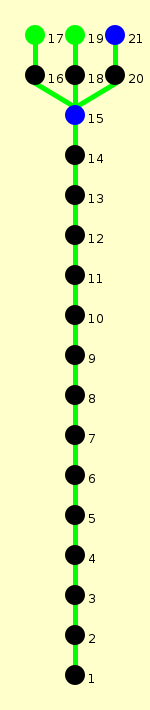
Proof Tree for step-absstep-W2-W3-tau-other (View conclusion)

The following image shows the proof tree of sequent calculus. The proved goal is at the bottom. You can click on the nodes to view additional rules. See here for details on colors in a proof tree.

the proof tree