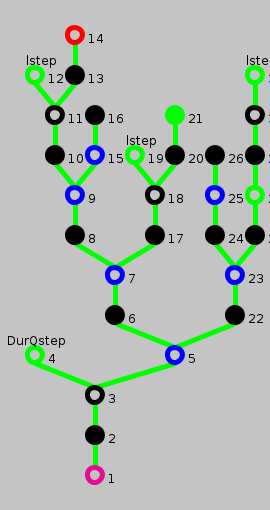
Proof Tree for DurQstep-def0 (View conclusion)
The following image shows the proof tree of sequent calculus. The proved goal is at the bottom. You can click on the nodes to view additional rules. See here for details on colors in a proof tree.
| ⊦ DurQstep(mkstate(gs, lsf, pcf), a, durqs0) ↔ (a = globalACrash ⊃ durqs0 = mkstate(gs, lsf, λ tid. (pcf(tid) = idle ⊃ idle;crashed)) ;∃ tid. pre(gs, lsf(tid), pcf(tid), a) ∧ durqs0 = mkstate(gstepf(gs, lsf(tid), pcf(tid), a), lsf(tid; lstepf(gs, lsf(tid), pcf(tid), a)), pcf(tid; pcstepf(gs, lsf(tid), pcf(tid), a))) ) |
durqs0 = mkstate(gs0, lsf0, pcf0) ⊦ DurQstep(mkstate(gs, lsf, pcf), a, durqs0) ↔ (a = globalACrash ⊃ durqs0 = mkstate(gs, lsf, λ tid. (pcf(tid) = idle ⊃ idle;crashed)) ;∃ tid. pre(gs, lsf(tid), pcf(tid), a) ∧ durqs0 = mkstate(gstepf(gs, lsf(tid), pcf(tid), a), lsf(tid; lstepf(gs, lsf(tid), pcf(tid), a)), pcf(tid; pcstepf(gs, lsf(tid), pcf(tid), a))) )
Used simplifier rules: gen-DurQState: ⊦ ;
| durqs0 = mkstate(gs0, lsf0, pcf0) ⊦ DurQstep(mkstate(gs, lsf, pcf), a, durqs0) ↔ (a = globalACrash ⊃ durqs0 = mkstate(gs, lsf, λ tid. (pcf(tid) = idle ⊃ idle;crashed)) ;∃ tid. pre(gs, lsf(tid), pcf(tid), a) ∧ durqs0 = mkstate(gstepf(gs, lsf(tid), pcf(tid), a), lsf(tid; lstepf(gs, lsf(tid), pcf(tid), a)), pcf(tid; pcstepf(gs, lsf(tid), pcf(tid), a))) ) |
⊦ DurQstep(mkstate(gs, lsf, pcf), a, mkstate(gs0, lsf0, pcf0)) ↔ (a = globalACrash ⊃ mkstate(gs0, lsf0, pcf0) = mkstate(gs, lsf, λ tid. (pcf(tid) = idle ⊃ idle;crashed)) ;∃ tid. pre(gs, lsf(tid), pcf(tid), a) ∧ mkstate(gs0, lsf0, pcf0) = mkstate(gstepf(gs, lsf(tid), pcf(tid), a), lsf(tid; lstepf(gs, lsf(tid), pcf(tid), a)), pcf(tid; pcstepf(gs, lsf(tid), pcf(tid), a))) )
| ⊦ DurQstep(mkstate(gs, lsf, pcf), a, mkstate(gs0, lsf0, pcf0)) ↔ (a = globalACrash ⊃ mkstate(gs0, lsf0, pcf0) = mkstate(gs, lsf, λ tid. (pcf(tid) = idle ⊃ idle;crashed)) ;∃ tid. pre(gs, lsf(tid), pcf(tid), a) ∧ mkstate(gs0, lsf0, pcf0) = mkstate(gstepf(gs, lsf(tid), pcf(tid), a), lsf(tid; lstepf(gs, lsf(tid), pcf(tid), a)), pcf(tid; pcstepf(gs, lsf(tid), pcf(tid), a))) ) |
⊦ DurQstep(mkstate(gs, lsf, pcf), a, mkstate(gs0, lsf0, pcf0)) ↔ (∃ tid, ls, pc. lstep(gs, lsf(tid), pcf(tid), a, gs0, ls, pc) ∧ lsf0 = lsf(tid; ls) ∧ pcf0 = pcf(tid; pc)) ∨ a = globalACrash ∧ ⟨ACrash(; pcf)⟩ (gs0 = gs ∧ lsf0 = lsf ∧ pcf0 = pcf)
⊦ (∃ tid, ls, pc. lstep(gs, lsf(tid), pcf(tid), a, gs0, ls, pc) ∧ lsf0 = lsf(tid; ls) ∧ pcf0 = pcf(tid; pc)) ∨ a = globalACrash ∧ ⟨ACrash(; pcf)⟩ (gs0 = gs ∧ lsf0 = lsf ∧ pcf0 = pcf) ↔ (a = globalACrash ⊃ mkstate(gs0, lsf0, pcf0) = mkstate(gs, lsf, λ tid. (pcf(tid) = idle ⊃ idle;crashed)) ;∃ tid. pre(gs, lsf(tid), pcf(tid), a) ∧ mkstate(gs0, lsf0, pcf0) = mkstate(gstepf(gs, lsf(tid), pcf(tid), a), lsf(tid; lstepf(gs, lsf(tid), pcf(tid), a)), pcf(tid; pcstepf(gs, lsf(tid), pcf(tid), a))) )
Used terms: pcf0, lsf0, lsf, gs0, a, gs, pcf
| ⊦ DurQstep(mkstate(gs, lsf, pcf), a, mkstate(gs0, lsf0, pcf0)) ↔ (∃ tid, ls, pc. lstep(gs, lsf(tid), pcf(tid), a, gs0, ls, pc) ∧ lsf0 = lsf(tid; ls) ∧ pcf0 = pcf(tid; pc)) ∨ a = globalACrash ∧ ⟨ACrash(; pcf)⟩ (gs0 = gs ∧ lsf0 = lsf ∧ pcf0 = pcf) |
| ⊦ (∃ tid, ls, pc. lstep(gs, lsf(tid), pcf(tid), a, gs0, ls, pc) ∧ lsf0 = lsf(tid; ls) ∧ pcf0 = pcf(tid; pc)) ∨ a = globalACrash ∧ ⟨ACrash(; pcf)⟩ (gs0 = gs ∧ lsf0 = lsf ∧ pcf0 = pcf) ↔ (a = globalACrash ⊃ mkstate(gs0, lsf0, pcf0) = mkstate(gs, lsf, λ tid. (pcf(tid) = idle ⊃ idle;crashed)) ;∃ tid. pre(gs, lsf(tid), pcf(tid), a) ∧ mkstate(gs0, lsf0, pcf0) = mkstate(gstepf(gs, lsf(tid), pcf(tid), a), lsf(tid; lstepf(gs, lsf(tid), pcf(tid), a)), pcf(tid; pcstepf(gs, lsf(tid), pcf(tid), a))) ) |
(∃ tid, ls, pc. lstep(gs, lsf(tid), pcf(tid), a, gs0, ls, pc) ∧ lsf0 = lsf(tid; ls) ∧ pcf0 = pcf(tid; pc)) ∨ a = globalACrash ∧ ⟨ACrash(; pcf)⟩ (gs0 = gs ∧ lsf0 = lsf ∧ pcf0 = pcf) ⊦ (a = globalACrash ⊃ mkstate(gs0, lsf0, pcf0) = mkstate(gs, lsf, λ tid. (pcf(tid) = idle ⊃ idle;crashed)) ;∃ tid. pre(gs, lsf(tid), pcf(tid), a) ∧ mkstate(gs0, lsf0, pcf0) = mkstate(gstepf(gs, lsf(tid), pcf(tid), a), lsf(tid; lstepf(gs, lsf(tid), pcf(tid), a)), pcf(tid; pcstepf(gs, lsf(tid), pcf(tid), a))) )
(a = globalACrash ⊃ mkstate(gs0, lsf0, pcf0) = mkstate(gs, lsf, λ tid. (pcf(tid) = idle ⊃ idle;crashed)) ;∃ tid. pre(gs, lsf(tid), pcf(tid), a) ∧ mkstate(gs0, lsf0, pcf0) = mkstate(gstepf(gs, lsf(tid), pcf(tid), a), lsf(tid; lstepf(gs, lsf(tid), pcf(tid), a)), pcf(tid; pcstepf(gs, lsf(tid), pcf(tid), a))) ) ⊦ a = globalACrash ∧ ⟨ACrash(; pcf)⟩ (gs0 = gs ∧ lsf0 = lsf ∧ pcf0 = pcf), ∃ tid, ls, pc. lstep(gs, lsf(tid), pcf(tid), a, gs0, ls, pc) ∧ lsf0 = lsf(tid; ls) ∧ pcf0 = pcf(tid; pc)
| (∃ tid, ls, pc. lstep(gs, lsf(tid), pcf(tid), a, gs0, ls, pc) ∧ lsf0 = lsf(tid; ls) ∧ pcf0 = pcf(tid; pc)) ∨ a = globalACrash ∧ ⟨ACrash(; pcf)⟩ (gs0 = gs ∧ lsf0 = lsf ∧ pcf0 = pcf) ⊦ (a = globalACrash ⊃ mkstate(gs0, lsf0, pcf0) = mkstate(gs, lsf, λ tid. (pcf(tid) = idle ⊃ idle;crashed)) ;∃ tid. pre(gs, lsf(tid), pcf(tid), a) ∧ mkstate(gs0, lsf0, pcf0) = mkstate(gstepf(gs, lsf(tid), pcf(tid), a), lsf(tid; lstepf(gs, lsf(tid), pcf(tid), a)), pcf(tid; pcstepf(gs, lsf(tid), pcf(tid), a))) ) |
lstep(gs, lsf(tid), pcf(tid), a, gs0, ls, pc) ∧ lsf0 = lsf(tid; ls) ∧ pcf0 = pcf(tid; pc) ∨ a = globalACrash ∧ ⟨ACrash(; pcf)⟩ (gs0 = gs ∧ lsf0 = lsf ∧ pcf0 = pcf) ⊦ (a = globalACrash ⊃ mkstate(gs0, lsf0, pcf0) = mkstate(gs, lsf, λ tid. (pcf(tid) = idle ⊃ idle;crashed)) ;∃ tid. pre(gs, lsf(tid), pcf(tid), a) ∧ mkstate(gs0, lsf0, pcf0) = mkstate(gstepf(gs, lsf(tid), pcf(tid), a), lsf(tid; lstepf(gs, lsf(tid), pcf(tid), a)), pcf(tid; pcstepf(gs, lsf(tid), pcf(tid), a))) )
| lstep(gs, lsf(tid), pcf(tid), a, gs0, ls, pc) ∧ lsf0 = lsf(tid; ls) ∧ pcf0 = pcf(tid; pc) ∨ a = globalACrash ∧ ⟨ACrash(; pcf)⟩ (gs0 = gs ∧ lsf0 = lsf ∧ pcf0 = pcf) ⊦ (a = globalACrash ⊃ mkstate(gs0, lsf0, pcf0) = mkstate(gs, lsf, λ tid. (pcf(tid) = idle ⊃ idle;crashed)) ;∃ tid. pre(gs, lsf(tid), pcf(tid), a) ∧ mkstate(gs0, lsf0, pcf0) = mkstate(gstepf(gs, lsf(tid), pcf(tid), a), lsf(tid; lstepf(gs, lsf(tid), pcf(tid), a)), pcf(tid; pcstepf(gs, lsf(tid), pcf(tid), a))) ) |
lstep(gs, lsf(tid), pcf(tid), a, gs0, ls, pc) ∧ lsf0 = lsf(tid; ls) ∧ pcf0 = pcf(tid; pc) ∨ a = globalACrash ∧ ⟨ACrash(; pcf)⟩ (gs0 = gs ∧ lsf0 = lsf ∧ pcf0 = pcf), a = globalACrash, mkstate(gs0, lsf0, pcf0) ≠ mkstate(gs, lsf, λ tid. (pcf(tid) = idle ⊃ idle;crashed)) ⊦
lstep(gs, lsf(tid), pcf(tid), a, gs0, ls, pc) ∧ lsf0 = lsf(tid; ls) ∧ pcf0 = pcf(tid; pc) ∨ a = globalACrash ∧ ⟨ACrash(; pcf)⟩ (gs0 = gs ∧ lsf0 = lsf ∧ pcf0 = pcf), a ≠ globalACrash ⊦ ∃ tid. pre(gs, lsf(tid), pcf(tid), a) ∧ mkstate(gs0, lsf0, pcf0) = mkstate(gstepf(gs, lsf(tid), pcf(tid), a), lsf(tid; lstepf(gs, lsf(tid), pcf(tid), a)), pcf(tid; pcstepf(gs, lsf(tid), pcf(tid), a)))
| lstep(gs, lsf(tid), pcf(tid), a, gs0, ls, pc) ∧ lsf0 = lsf(tid; ls) ∧ pcf0 = pcf(tid; pc) ∨ a = globalACrash ∧ ⟨ACrash(; pcf)⟩ (gs0 = gs ∧ lsf0 = lsf ∧ pcf0 = pcf), a = globalACrash, mkstate(gs0, lsf0, pcf0) ≠ mkstate(gs, lsf, λ tid. (pcf(tid) = idle ⊃ idle;crashed)) ⊦ |
lstep(gs, lsf(tid), pcf(tid), globalACrash, gs0, ls, pc) ∧ lsf0 = lsf(tid; ls) ∧ pcf0 = pcf(tid; pc) ∨ ⟨ACrash(; pcf)⟩ (gs0 = gs ∧ lsf0 = lsf ∧ pcf0 = pcf), mkstate(gs0, lsf0, pcf0) ≠ mkstate(gs, lsf, λ tid. (pcf(tid) = idle ⊃ idle;crashed)) ⊦
| lstep(gs, lsf(tid), pcf(tid), globalACrash, gs0, ls, pc) ∧ lsf0 = lsf(tid; ls) ∧ pcf0 = pcf(tid; pc) ∨ ⟨ACrash(; pcf)⟩ (gs0 = gs ∧ lsf0 = lsf ∧ pcf0 = pcf), mkstate(gs0, lsf0, pcf0) ≠ mkstate(gs, lsf, λ tid. (pcf(tid) = idle ⊃ idle;crashed)) ⊦ |
lsf0 = lsf(tid; ls), pcf0 = pcf(tid; pc), mkstate(gs0, lsf0, pcf0) ≠ mkstate(gs, lsf, λ tid. (pcf(tid) = idle ⊃ idle;crashed)), lstep(gs, lsf(tid), pcf(tid), globalACrash, gs0, ls, pc) ⊦
⟨ACrash(; pcf)⟩ (gs0 = gs ∧ lsf0 = lsf ∧ pcf0 = pcf), mkstate(gs0, lsf0, pcf0) ≠ mkstate(gs, lsf, λ tid. (pcf(tid) = idle ⊃ idle;crashed)) ⊦
| lsf0 = lsf(tid; ls), pcf0 = pcf(tid; pc), mkstate(gs0, lsf0, pcf0) ≠ mkstate(gs, lsf, λ tid. (pcf(tid) = idle ⊃ idle;crashed)), lstep(gs, lsf(tid), pcf(tid), globalACrash, gs0, ls, pc) ⊦ |
mkstate(gs0, lsf(tid; ls), pcf(tid; pc)) ≠ mkstate(gs, lsf, λ tid. (pcf(tid) = idle ⊃ idle;crashed)), lstep(gs, lsf(tid), pcf(tid), globalACrash, gs0, ls, pc) ⊦
| mkstate(gs0, lsf(tid; ls), pcf(tid; pc)) ≠ mkstate(gs, lsf, λ tid. (pcf(tid) = idle ⊃ idle;crashed)), lstep(gs, lsf(tid), pcf(tid), globalACrash, gs0, ls, pc) ⊦ |
⊦ lstep(gs, ls, pc, a, gs0, ls0, pc0) ↔ pre(gs, ls, pc, a) ∧ ls0 = lstepf(gs, ls, pc, a) ∧ gs0 = gstepf(gs, ls, pc, a) ∧ pc0 = pcstepf(gs, ls, pc, a)
gs0 = gstepf(gs, lsf(tid), pcf(tid), globalACrash), ls = lstepf(gs, lsf(tid), pcf(tid), globalACrash), pc = pcstepf(gs, lsf(tid), pcf(tid), globalACrash), mkstate(gs0, lsf(tid; ls), pcf(tid; pc)) ≠ mkstate(gs, lsf, λ tid. (pcf(tid) = idle ⊃ idle;crashed)), pre(gs, lsf(tid), pcf(tid), globalACrash) ⊦
Used terms: ls, gs0, globalACrash, gs, pcf(tid), pc, lsf(tid)
| ⊦ lstep(gs, ls, pc, a, gs0, ls0, pc0) ↔ pre(gs, ls, pc, a) ∧ ls0 = lstepf(gs, ls, pc, a) ∧ gs0 = gstepf(gs, ls, pc, a) ∧ pc0 = pcstepf(gs, ls, pc, a) |
| gs0 = gstepf(gs, lsf(tid), pcf(tid), globalACrash), ls = lstepf(gs, lsf(tid), pcf(tid), globalACrash), pc = pcstepf(gs, lsf(tid), pcf(tid), globalACrash), mkstate(gs0, lsf(tid; ls), pcf(tid; pc)) ≠ mkstate(gs, lsf, λ tid. (pcf(tid) = idle ⊃ idle;crashed)), pre(gs, lsf(tid), pcf(tid), globalACrash) ⊦ |
mkstate (gstepf(gs, lsf(tid), pcf(tid), globalACrash), lsf(tid; lstepf(gs, lsf(tid), pcf(tid), globalACrash)), pcf(tid; pcstepf(gs, lsf(tid), pcf(tid), globalACrash))) ≠ mkstate(gs, lsf, λ tid. (pcf(tid) = idle ⊃ idle;crashed)), pre(gs, lsf(tid), pcf(tid), globalACrash) ⊦
| mkstate (gstepf(gs, lsf(tid), pcf(tid), globalACrash), lsf(tid; lstepf(gs, lsf(tid), pcf(tid), globalACrash)), pcf(tid; pcstepf(gs, lsf(tid), pcf(tid), globalACrash))) ≠ mkstate(gs, lsf, λ tid. (pcf(tid) = idle ⊃ idle;crashed)), pre(gs, lsf(tid), pcf(tid), globalACrash) ⊦ |
Used simplifier rules: gen-DurQPC: ⊦ ; pre-crashed: ⊦ pre(gs, ls, crashed, a) ↔ false; pre-idle: ⊦ pre(gs, ls, idle, a) ↔ a = callARun(ls.tid); disj-callARun-globalACrash: ⊦ callARun(tid) ≠ globalACrash; gstepf-invDeq-ADODEQ: ⊦ gstepf(gs, ls, invDeq, a) = (gs.queue = [] ⊃ gs;gs.queue:= gs.queue.tail); pre-invDeq: ⊦ pre(gs, ls, invDeq, a) ↔ a = ADoDeq(ls.tid); disj-ADoDeq-globalACrash: ⊦ ADoDeq(tid) ≠ globalACrash; pre-invEnq: ⊦ pre(gs, ls, invEnq, a) ↔ a = ADoEnq(ls.tid); disj-ADoEnq-globalACrash: ⊦ ADoEnq(tid) ≠ globalACrash; gstepf-ready: ⊦ gstepf(gs, ls, ready, a) = gs; pre-ready: ⊦ pre(gs, ls, ready, a) ↔ (∃ value. a = AInvEnq(ls.tid, value)) ∨ a = AInvDeq(ls.tid); disj-AInvEnq-globalACrash: ⊦ AInvEnq(tid, val) ≠ globalACrash; disj-AInvDeq-globalACrash: ⊦ AInvDeq(tid) ≠ globalACrash; pre-resDeq: ⊦ pre(gs, ls, resDeq, a) ↔ a = ARetDeq(ls.tid, ls.oval); disj-ARetDeq-globalACrash: ⊦ ARetDeq(tid, optval) ≠ globalACrash; pre-resEnq: ⊦ pre(gs, ls, resEnq, a) ↔ a = ARetEnq(ls.tid); disj-ARetEnq-globalACrash: ⊦ ARetEnq(tid) ≠ globalACrash;
| ⟨ACrash(; pcf)⟩ (gs0 = gs ∧ lsf0 = lsf ∧ pcf0 = pcf), mkstate(gs0, lsf0, pcf0) ≠ mkstate(gs, lsf, λ tid. (pcf(tid) = idle ⊃ idle;crashed)) ⊦ |
⟨pcf := λ tid. (pcf(tid) = idle ⊃ idle;crashed)⟩ (gs0 = gs ∧ lsf0 = lsf ∧ pcf0 = pcf), mkstate(gs0, lsf0, pcf0) ≠ mkstate(gs, lsf, λ tid. (pcf(tid) = idle ⊃ idle;crashed)) ⊦
Used simplifier rules: Crash: ⊦ ;
| ⟨pcf := λ tid. (pcf(tid) = idle ⊃ idle;crashed)⟩ (gs0 = gs ∧ lsf0 = lsf ∧ pcf0 = pcf), mkstate(gs0, lsf0, pcf0) ≠ mkstate(gs, lsf, λ tid. (pcf(tid) = idle ⊃ idle;crashed)) ⊦ |
| lstep(gs, lsf(tid), pcf(tid), a, gs0, ls, pc) ∧ lsf0 = lsf(tid; ls) ∧ pcf0 = pcf(tid; pc) ∨ a = globalACrash ∧ ⟨ACrash(; pcf)⟩ (gs0 = gs ∧ lsf0 = lsf ∧ pcf0 = pcf), a ≠ globalACrash ⊦ ∃ tid. pre(gs, lsf(tid), pcf(tid), a) ∧ mkstate(gs0, lsf0, pcf0) = mkstate(gstepf(gs, lsf(tid), pcf(tid), a), lsf(tid; lstepf(gs, lsf(tid), pcf(tid), a)), pcf(tid; pcstepf(gs, lsf(tid), pcf(tid), a))) |
a ≠ globalACrash, lstep(gs, lsf(tid), pcf(tid), a, gs0, ls, pc) ⊦ ∃ tid0. pre(gs, lsf(tid0), pcf(tid0), a) ∧ mkstate(gs0, lsf(tid; ls), pcf(tid; pc)) = mkstate(gstepf(gs, lsf(tid0), pcf(tid0), a), lsf(tid0; lstepf(gs, lsf(tid0), pcf(tid0), a)), pcf(tid0; pcstepf(gs, lsf(tid0), pcf(tid0), a)))
| a ≠ globalACrash, lstep(gs, lsf(tid), pcf(tid), a, gs0, ls, pc) ⊦ ∃ tid0. pre(gs, lsf(tid0), pcf(tid0), a) ∧ mkstate(gs0, lsf(tid; ls), pcf(tid; pc)) = mkstate(gstepf(gs, lsf(tid0), pcf(tid0), a), lsf(tid0; lstepf(gs, lsf(tid0), pcf(tid0), a)), pcf(tid0; pcstepf(gs, lsf(tid0), pcf(tid0), a))) |
⊦ lstep(gs, ls, pc, a, gs0, ls0, pc0) ↔ pre(gs, ls, pc, a) ∧ ls0 = lstepf(gs, ls, pc, a) ∧ gs0 = gstepf(gs, ls, pc, a) ∧ pc0 = pcstepf(gs, ls, pc, a)
gs0 = gstepf(gs, lsf(tid), pcf(tid), a), ls = lstepf(gs, lsf(tid), pcf(tid), a), pc = pcstepf(gs, lsf(tid), pcf(tid), a), a ≠ globalACrash, pre(gs, lsf(tid), pcf(tid), a) ⊦ ∃ tid0. pre(gs, lsf(tid0), pcf(tid0), a) ∧ mkstate(gs0, lsf(tid; ls), pcf(tid; pc)) = mkstate(gstepf(gs, lsf(tid0), pcf(tid0), a), lsf(tid0; lstepf(gs, lsf(tid0), pcf(tid0), a)), pcf(tid0; pcstepf(gs, lsf(tid0), pcf(tid0), a)))
Used terms: ls, gs0, a, gs, pcf(tid), pc, lsf(tid)
| ⊦ lstep(gs, ls, pc, a, gs0, ls0, pc0) ↔ pre(gs, ls, pc, a) ∧ ls0 = lstepf(gs, ls, pc, a) ∧ gs0 = gstepf(gs, ls, pc, a) ∧ pc0 = pcstepf(gs, ls, pc, a) |
| gs0 = gstepf(gs, lsf(tid), pcf(tid), a), ls = lstepf(gs, lsf(tid), pcf(tid), a), pc = pcstepf(gs, lsf(tid), pcf(tid), a), a ≠ globalACrash, pre(gs, lsf(tid), pcf(tid), a) ⊦ ∃ tid0. pre(gs, lsf(tid0), pcf(tid0), a) ∧ mkstate(gs0, lsf(tid; ls), pcf(tid; pc)) = mkstate(gstepf(gs, lsf(tid0), pcf(tid0), a), lsf(tid0; lstepf(gs, lsf(tid0), pcf(tid0), a)), pcf(tid0; pcstepf(gs, lsf(tid0), pcf(tid0), a))) |
a ≠ globalACrash, pre(gs, lsf(tid), pcf(tid), a) ⊦ ∃ tid0. pre(gs, lsf(tid0), pcf(tid0), a) ∧ mkstate(gstepf(gs, lsf(tid), pcf(tid), a), lsf(tid; lstepf(gs, lsf(tid), pcf(tid), a)), pcf(tid; pcstepf(gs, lsf(tid), pcf(tid), a))) = mkstate(gstepf(gs, lsf(tid0), pcf(tid0), a), lsf(tid0; lstepf(gs, lsf(tid0), pcf(tid0), a)), pcf(tid0; pcstepf(gs, lsf(tid0), pcf(tid0), a)))
| a ≠ globalACrash, pre(gs, lsf(tid), pcf(tid), a) ⊦ ∃ tid0. pre(gs, lsf(tid0), pcf(tid0), a) ∧ mkstate(gstepf(gs, lsf(tid), pcf(tid), a), lsf(tid; lstepf(gs, lsf(tid), pcf(tid), a)), pcf(tid; pcstepf(gs, lsf(tid), pcf(tid), a))) = mkstate(gstepf(gs, lsf(tid0), pcf(tid0), a), lsf(tid0; lstepf(gs, lsf(tid0), pcf(tid0), a)), pcf(tid0; pcstepf(gs, lsf(tid0), pcf(tid0), a))) |
Used terms: tid
| (a = globalACrash ⊃ mkstate(gs0, lsf0, pcf0) = mkstate(gs, lsf, λ tid. (pcf(tid) = idle ⊃ idle;crashed)) ;∃ tid. pre(gs, lsf(tid), pcf(tid), a) ∧ mkstate(gs0, lsf0, pcf0) = mkstate(gstepf(gs, lsf(tid), pcf(tid), a), lsf(tid; lstepf(gs, lsf(tid), pcf(tid), a)), pcf(tid; pcstepf(gs, lsf(tid), pcf(tid), a))) ) ⊦ a = globalACrash ∧ ⟨ACrash(; pcf)⟩ (gs0 = gs ∧ lsf0 = lsf ∧ pcf0 = pcf), ∃ tid, ls, pc. lstep(gs, lsf(tid), pcf(tid), a, gs0, ls, pc) ∧ lsf0 = lsf(tid; ls) ∧ pcf0 = pcf(tid; pc) |
(a = globalACrash ⊃ mkstate(gs0, lsf0, pcf0) = mkstate(gs, lsf, λ tid. (pcf(tid) = idle ⊃ idle;crashed)) ; pre(gs, lsf(tid), pcf(tid), a) ∧ mkstate(gs0, lsf0, pcf0) = mkstate(gstepf(gs, lsf(tid), pcf(tid), a), lsf(tid; lstepf(gs, lsf(tid), pcf(tid), a)), pcf(tid; pcstepf(gs, lsf(tid), pcf(tid), a))) ) ⊦ a = globalACrash ∧ ⟨ACrash(; pcf)⟩ (gs0 = gs ∧ lsf0 = lsf ∧ pcf0 = pcf), ∃ tid, ls, pc. lstep(gs, lsf(tid), pcf(tid), a, gs0, ls, pc) ∧ lsf0 = lsf(tid; ls) ∧ pcf0 = pcf(tid; pc)
| (a = globalACrash ⊃ mkstate(gs0, lsf0, pcf0) = mkstate(gs, lsf, λ tid. (pcf(tid) = idle ⊃ idle;crashed)) ; pre(gs, lsf(tid), pcf(tid), a) ∧ mkstate(gs0, lsf0, pcf0) = mkstate(gstepf(gs, lsf(tid), pcf(tid), a), lsf(tid; lstepf(gs, lsf(tid), pcf(tid), a)), pcf(tid; pcstepf(gs, lsf(tid), pcf(tid), a))) ) ⊦ a = globalACrash ∧ ⟨ACrash(; pcf)⟩ (gs0 = gs ∧ lsf0 = lsf ∧ pcf0 = pcf), ∃ tid, ls, pc. lstep(gs, lsf(tid), pcf(tid), a, gs0, ls, pc) ∧ lsf0 = lsf(tid; ls) ∧ pcf0 = pcf(tid; pc) |
a = globalACrash, mkstate(gs0, lsf0, pcf0) = mkstate(gs, lsf, λ tid. (pcf(tid) = idle ⊃ idle;crashed)) ⊦ a = globalACrash ∧ ⟨ACrash(; pcf)⟩ (gs0 = gs ∧ lsf0 = lsf ∧ pcf0 = pcf), ∃ tid, ls, pc. lstep(gs, lsf(tid), pcf(tid), a, gs0, ls, pc) ∧ lsf0 = lsf(tid; ls) ∧ pcf0 = pcf(tid; pc)
mkstate(gs0, lsf0, pcf0) = mkstate(gstepf(gs, lsf(tid), pcf(tid), a), lsf(tid; lstepf(gs, lsf(tid), pcf(tid), a)), pcf(tid; pcstepf(gs, lsf(tid), pcf(tid), a))), a ≠ globalACrash, pre(gs, lsf(tid), pcf(tid), a) ⊦ a = globalACrash ∧ ⟨ACrash(; pcf)⟩ (gs0 = gs ∧ lsf0 = lsf ∧ pcf0 = pcf), ∃ tid, ls, pc. lstep(gs, lsf(tid), pcf(tid), a, gs0, ls, pc) ∧ lsf0 = lsf(tid; ls) ∧ pcf0 = pcf(tid; pc)
| a = globalACrash, mkstate(gs0, lsf0, pcf0) = mkstate(gs, lsf, λ tid. (pcf(tid) = idle ⊃ idle;crashed)) ⊦ a = globalACrash ∧ ⟨ACrash(; pcf)⟩ (gs0 = gs ∧ lsf0 = lsf ∧ pcf0 = pcf), ∃ tid, ls, pc. lstep(gs, lsf(tid), pcf(tid), a, gs0, ls, pc) ∧ lsf0 = lsf(tid; ls) ∧ pcf0 = pcf(tid; pc) |
pcf0 = (λ tid. (pcf(tid) = idle ⊃ idle;crashed)) ⊦ ⟨ACrash(; pcf)⟩ (pcf0 = pcf), ∃ tid, pc. lstep(gs, lsf(tid), pcf(tid), globalACrash, gs, lsf(tid), pc) ∧ (λ tid. (pcf(tid) = idle ⊃ idle;crashed)) = pcf(tid; pc)
Used simplifier rules: inj-mkstate: ⊦ mkstate(gstate, lsf, pcf) = mkstate(gstate0, lsf0, pcf0) ↔ gstate = gstate0 ∧ lsf = lsf0 ∧ pcf = pcf0;
| pcf0 = (λ tid. (pcf(tid) = idle ⊃ idle;crashed)) ⊦ ⟨ACrash(; pcf)⟩ (pcf0 = pcf), ∃ tid, pc. lstep(gs, lsf(tid), pcf(tid), globalACrash, gs, lsf(tid), pc) ∧ (λ tid. (pcf(tid) = idle ⊃ idle;crashed)) = pcf(tid; pc) |
pcf0 = (λ tid. (pcf(tid) = idle ⊃ idle;crashed)) ⊦ ⟨pcf := λ tid. (pcf(tid) = idle ⊃ idle;crashed)⟩ (pcf0 = pcf), ∃ tid, pc. lstep(gs, lsf(tid), pcf(tid), globalACrash, gs, lsf(tid), pc) ∧ (λ tid. (pcf(tid) = idle ⊃ idle;crashed)) = pcf(tid; pc)
Used simplifier rules: Crash: ⊦ ;
| pcf0 = (λ tid. (pcf(tid) = idle ⊃ idle;crashed)) ⊦ ⟨pcf := λ tid. (pcf(tid) = idle ⊃ idle;crashed)⟩ (pcf0 = pcf), ∃ tid, pc. lstep(gs, lsf(tid), pcf(tid), globalACrash, gs, lsf(tid), pc) ∧ (λ tid. (pcf(tid) = idle ⊃ idle;crashed)) = pcf(tid; pc) |
| mkstate(gs0, lsf0, pcf0) = mkstate(gstepf(gs, lsf(tid), pcf(tid), a), lsf(tid; lstepf(gs, lsf(tid), pcf(tid), a)), pcf(tid; pcstepf(gs, lsf(tid), pcf(tid), a))), a ≠ globalACrash, pre(gs, lsf(tid), pcf(tid), a) ⊦ a = globalACrash ∧ ⟨ACrash(; pcf)⟩ (gs0 = gs ∧ lsf0 = lsf ∧ pcf0 = pcf), ∃ tid, ls, pc. lstep(gs, lsf(tid), pcf(tid), a, gs0, ls, pc) ∧ lsf0 = lsf(tid; ls) ∧ pcf0 = pcf(tid; pc) |
a ≠ globalACrash, pre(gs, lsf(tid), pcf(tid), a) ⊦ ∃ tid0, ls, pc. lstep(gs, lsf(tid0), pcf(tid0), a, gstepf(gs, lsf(tid), pcf(tid), a), ls, pc) ∧ lsf(tid; lstepf(gs, lsf(tid), pcf(tid), a)) = lsf(tid0; ls) ∧ pcf(tid; pcstepf(gs, lsf(tid), pcf(tid), a)) = pcf(tid0; pc)
Used simplifier rules: inj-mkstate: ⊦ mkstate(gstate, lsf, pcf) = mkstate(gstate0, lsf0, pcf0) ↔ gstate = gstate0 ∧ lsf = lsf0 ∧ pcf = pcf0;
| a ≠ globalACrash, pre(gs, lsf(tid), pcf(tid), a) ⊦ ∃ tid0, ls, pc. lstep(gs, lsf(tid0), pcf(tid0), a, gstepf(gs, lsf(tid), pcf(tid), a), ls, pc) ∧ lsf(tid; lstepf(gs, lsf(tid), pcf(tid), a)) = lsf(tid0; ls) ∧ pcf(tid; pcstepf(gs, lsf(tid), pcf(tid), a)) = pcf(tid0; pc) |
a ≠ globalACrash, pre(gs, lsf(tid), pcf(tid), a) ⊦ ∃ tid0, ls, pc. lstep(gs, lsf(tid0), pcf(tid0), a, gstepf(gs, lsf(tid), pcf(tid), a), ls, pc) ∧ lsf(tid; lstepf(gs, lsf(tid), pcf(tid), a)) = lsf(tid0; ls) ∧ pcf(tid; pcstepf(gs, lsf(tid), pcf(tid), a)) = pcf(tid0; pc), lstep(gs, lsf(tid), pcf(tid), a, gstepf(gs, lsf(tid), pcf(tid), a), lstepf(gs, lsf(tid), pcf(tid), a), pcstepf(gs, lsf(tid), pcf(tid), a)) ∧ lsf(tid; lstepf(gs, lsf(tid), pcf(tid), a)) = lsf(tid; lstepf(gs, lsf(tid), pcf(tid), a)) ∧ pcf(tid; pcstepf(gs, lsf(tid), pcf(tid), a)) = pcf(tid; pcstepf(gs, lsf(tid), pcf(tid), a))
Used terms: tid, lstepf(gs, lsf(tid), pcf(tid), a), pcstepf(gs, lsf(tid), pcf(tid), a)
| a ≠ globalACrash, pre(gs, lsf(tid), pcf(tid), a) ⊦ ∃ tid0, ls, pc. lstep(gs, lsf(tid0), pcf(tid0), a, gstepf(gs, lsf(tid), pcf(tid), a), ls, pc) ∧ lsf(tid; lstepf(gs, lsf(tid), pcf(tid), a)) = lsf(tid0; ls) ∧ pcf(tid; pcstepf(gs, lsf(tid), pcf(tid), a)) = pcf(tid0; pc), lstep(gs, lsf(tid), pcf(tid), a, gstepf(gs, lsf(tid), pcf(tid), a), lstepf(gs, lsf(tid), pcf(tid), a), pcstepf(gs, lsf(tid), pcf(tid), a)) ∧ lsf(tid; lstepf(gs, lsf(tid), pcf(tid), a)) = lsf(tid; lstepf(gs, lsf(tid), pcf(tid), a)) ∧ pcf(tid; pcstepf(gs, lsf(tid), pcf(tid), a)) = pcf(tid; pcstepf(gs, lsf(tid), pcf(tid), a)) |
a ≠ globalACrash, pre(gs, lsf(tid), pcf(tid), a), ¬ lstep(gs, lsf(tid), pcf(tid), a, gstepf(gs, lsf(tid), pcf(tid), a), lstepf(gs, lsf(tid), pcf(tid), a), pcstepf(gs, lsf(tid), pcf(tid), a)) ⊦ ∃ tid0, ls, pc. lstep(gs, lsf(tid0), pcf(tid0), a, gstepf(gs, lsf(tid), pcf(tid), a), ls, pc) ∧ lsf(tid; lstepf(gs, lsf(tid), pcf(tid), a)) = lsf(tid0; ls) ∧ pcf(tid; pcstepf(gs, lsf(tid), pcf(tid), a)) = pcf(tid0; pc)
| a ≠ globalACrash, pre(gs, lsf(tid), pcf(tid), a), ¬ lstep(gs, lsf(tid), pcf(tid), a, gstepf(gs, lsf(tid), pcf(tid), a), lstepf(gs, lsf(tid), pcf(tid), a), pcstepf(gs, lsf(tid), pcf(tid), a)) ⊦ ∃ tid0, ls, pc. lstep(gs, lsf(tid0), pcf(tid0), a, gstepf(gs, lsf(tid), pcf(tid), a), ls, pc) ∧ lsf(tid; lstepf(gs, lsf(tid), pcf(tid), a)) = lsf(tid0; ls) ∧ pcf(tid; pcstepf(gs, lsf(tid), pcf(tid), a)) = pcf(tid0; pc) |
⊦ lstep(gs, ls, pc, a, gs0, ls0, pc0) ↔ pre(gs, ls, pc, a) ∧ ls0 = lstepf(gs, ls, pc, a) ∧ gs0 = gstepf(gs, ls, pc, a) ∧ pc0 = pcstepf(gs, ls, pc, a)
Used terms: lstepf(gs, lsf(tid), pcf(tid), a), gstepf(gs, lsf(tid), pcf(tid), a), a, gs, pcf(tid), pcstepf(gs, lsf(tid), pcf(tid), a), lsf(tid)
| ⊦ lstep(gs, ls, pc, a, gs0, ls0, pc0) ↔ pre(gs, ls, pc, a) ∧ ls0 = lstepf(gs, ls, pc, a) ∧ gs0 = gstepf(gs, ls, pc, a) ∧ pc0 = pcstepf(gs, ls, pc, a) |
The following image shows the proof tree of sequent calculus. The proved goal is at the bottom. You can click on the nodes to view additional rules. See here for details on colors in a proof tree.