Proof Tree for frag-det (View conclusion)
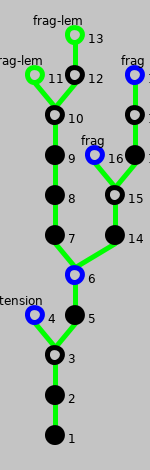
The following image shows the proof tree of sequent calculus. The proved goal is at the bottom. You can click on the nodes to view additional rules. See here for details on colors in a proof tree.
| alfrag(can(tP))(⌜alli⌝ , ⌜al⌝ ), alfrag(can(tP))(⌜alli0⌝ , ⌜al⌝ ), alli[0] = alli0[0] ⊦ alli = alli0 |
alli[0] = alli0[0], alli ≠ alli0, alfrag(can(tP))(⌜alli0⌝ , ⌜al⌝ ), alfrag(can(tP))(⌜alli⌝ , ⌜al⌝ ) ⊦
| alli[0] = alli0[0], alli ≠ alli0, alfrag(can(tP))(⌜alli0⌝ , ⌜al⌝ ), alfrag(can(tP))(⌜alli⌝ , ⌜al⌝ ) ⊦ |
alli[0] = alli0[0], alli ≠ alli0, alfrag(ALIOAut(λ al. al = [], λ al0, a, al1. al1 = al0 + a ' ∧ a ≠ τ ∧ tP(⌜al0⌝ ) ∧ tP(⌜al0⌝ + ⌜a '⌝ )))(⌜alli⌝ , ⌜al⌝ ), alfrag(ALIOAut(λ al. al = [], λ al0, a, al1. al1 = al0 + a ' ∧ a ≠ τ ∧ tP(⌜al0⌝ ) ∧ tP(⌜al0⌝ + ⌜a '⌝ )))(⌜alli0⌝ , ⌜al⌝ ) ⊦
Used simplifier rules: canonical-def: ⊦ can(tP) = ALIOAut(λ al. al = [], λ al, a, al1. al1 = al + a ' ∧ a ≠ τ ∧ tP(⌜al⌝ ) ∧ tP(⌜al1⌝ )); a: ⊦ (x + y) + z = x + y + z; from specification list[actionstream] ⊦ ⌜x + y⌝ = ⌜x⌝ + ⌜y⌝ ; (s)
| alli[0] = alli0[0], alli ≠ alli0, alfrag(ALIOAut(λ al. al = [], λ al0, a, al1. al1 = al0 + a ' ∧ a ≠ τ ∧ tP(⌜al0⌝ ) ∧ tP(⌜al0⌝ + ⌜a '⌝ )))(⌜alli⌝ , ⌜al⌝ ), alfrag(ALIOAut(λ al. al = [], λ al0, a, al1. al1 = al0 + a ' ∧ a ≠ τ ∧ tP(⌜al0⌝ ) ∧ tP(⌜al0⌝ + ⌜a '⌝ )))(⌜alli0⌝ , ⌜al⌝ ) ⊦ |
⊦ x = y ↔ # x = # y ∧ (∀ n. n < # x → x[n] = y[n])
alli[0] = alli0[0], alfrag(ALIOAut(λ al. al = [], λ al0, a, al1. al1 = al0 + a ' ∧ a ≠ τ ∧ tP(⌜al0⌝ ) ∧ tP(⌜al0⌝ + ⌜a '⌝ )))(⌜alli0⌝ , ⌜al⌝ ), alfrag(ALIOAut(λ al. al = [], λ al0, a, al1. al1 = al0 + a ' ∧ a ≠ τ ∧ tP(⌜al0⌝ ) ∧ tP(⌜al0⌝ + ⌜a '⌝ )))(⌜alli⌝ , ⌜al⌝ ), # alli ≠ # alli0 ∨ (∃ n. ¬(n < # alli → alli[n] = alli0[n])) ⊦
Used terms: alli0, alli
| ⊦ x = y ↔ # x = # y ∧ (∀ n. n < # x → x[n] = y[n]) |
| alli[0] = alli0[0], alfrag(ALIOAut(λ al. al = [], λ al0, a, al1. al1 = al0 + a ' ∧ a ≠ τ ∧ tP(⌜al0⌝ ) ∧ tP(⌜al0⌝ + ⌜a '⌝ )))(⌜alli0⌝ , ⌜al⌝ ), alfrag(ALIOAut(λ al. al = [], λ al0, a, al1. al1 = al0 + a ' ∧ a ≠ τ ∧ tP(⌜al0⌝ ) ∧ tP(⌜al0⌝ + ⌜a '⌝ )))(⌜alli⌝ , ⌜al⌝ ), # alli ≠ # alli0 ∨ (∃ n. ¬(n < # alli → alli[n] = alli0[n])) ⊦ |
alli[0] = alli0[0], alfrag(ALIOAut(λ al. al = [], λ al0, a, al1. al1 = al0 + a ' ∧ a ≠ τ ∧ tP(⌜al0⌝ ) ∧ tP(⌜al0⌝ + ⌜a '⌝ )))(⌜alli⌝ , ⌜al⌝ ), alfrag(ALIOAut(λ al. al = [], λ al0, a, al1. al1 = al0 + a ' ∧ a ≠ τ ∧ tP(⌜al0⌝ ) ∧ tP(⌜al0⌝ + ⌜a '⌝ )))(⌜alli0⌝ , ⌜al⌝ ), # alli ≠ # alli0 ∨ ¬(n < # alli → alli[n] = alli0[n]) ⊦
| alli[0] = alli0[0], alfrag(ALIOAut(λ al. al = [], λ al0, a, al1. al1 = al0 + a ' ∧ a ≠ τ ∧ tP(⌜al0⌝ ) ∧ tP(⌜al0⌝ + ⌜a '⌝ )))(⌜alli⌝ , ⌜al⌝ ), alfrag(ALIOAut(λ al. al = [], λ al0, a, al1. al1 = al0 + a ' ∧ a ≠ τ ∧ tP(⌜al0⌝ ) ∧ tP(⌜al0⌝ + ⌜a '⌝ )))(⌜alli0⌝ , ⌜al⌝ ), # alli ≠ # alli0 ∨ ¬(n < # alli → alli[n] = alli0[n]) ⊦ |
# alli = # alli0, alli[0] = alli0[0], alfrag(ALIOAut(λ al. al = [], λ al0, a, al1. al1 = al0 + a ' ∧ a ≠ τ ∧ tP(⌜al0⌝ ) ∧ tP(⌜al0⌝ + ⌜a '⌝ )))(⌜alli0⌝ , ⌜al⌝ ), alfrag(ALIOAut(λ al. al = [], λ al0, a, al1. al1 = al0 + a ' ∧ a ≠ τ ∧ tP(⌜al0⌝ ) ∧ tP(⌜al0⌝ + ⌜a '⌝ )))(⌜alli⌝ , ⌜al⌝ ), # alli ≠ # alli0 ∨ ¬(n < # alli → alli[n] = alli0[n]) ⊦
alli[0] = alli0[0], # alli ≠ # alli0, alfrag(ALIOAut(λ al. al = [], λ al0, a, al1. al1 = al0 + a ' ∧ a ≠ τ ∧ tP(⌜al0⌝ ) ∧ tP(⌜al0⌝ + ⌜a '⌝ )))(⌜alli0⌝ , ⌜al⌝ ), alfrag(ALIOAut(λ al. al = [], λ al0, a, al1. al1 = al0 + a ' ∧ a ≠ τ ∧ tP(⌜al0⌝ ) ∧ tP(⌜al0⌝ + ⌜a '⌝ )))(⌜alli⌝ , ⌜al⌝ ), # alli ≠ # alli0 ∨ ¬(n < # alli → alli[n] = alli0[n]) ⊦
Used formulas: # alli = # alli0
| # alli = # alli0, alli[0] = alli0[0], alfrag(ALIOAut(λ al. al = [], λ al0, a, al1. al1 = al0 + a ' ∧ a ≠ τ ∧ tP(⌜al0⌝ ) ∧ tP(⌜al0⌝ + ⌜a '⌝ )))(⌜alli0⌝ , ⌜al⌝ ), alfrag(ALIOAut(λ al. al = [], λ al0, a, al1. al1 = al0 + a ' ∧ a ≠ τ ∧ tP(⌜al0⌝ ) ∧ tP(⌜al0⌝ + ⌜a '⌝ )))(⌜alli⌝ , ⌜al⌝ ), # alli ≠ # alli0 ∨ ¬(n < # alli → alli[n] = alli0[n]) ⊦ |
# alli = # alli0, alli[0] = hd(alli0), alli[n] ≠ alli0[n], alli0 ≠ [], n < # alli0, alfrag(ALIOAut(λ al. al = [], λ al0, a, al1. al1 = al0 + a ' ∧ a ≠ τ ∧ tP(⌜al0⌝ ) ∧ tP(⌜al0⌝ + ⌜a '⌝ )))(⌜alli0⌝ , ⌜al⌝ ), alfrag(ALIOAut(λ al. al = [], λ al0, a, al1. al1 = al0 + a ' ∧ a ≠ τ ∧ tP(⌜al0⌝ ) ∧ tP(⌜al0⌝ + ⌜a '⌝ )))(⌜alli⌝ , ⌜al⌝ ) ⊦
Used simplifier rules: ⊦ x ≠ [] → x[0] = hd(x); (s) ⊦ # x = 0 ↔ x = []; (s) lf-01: ⊦ m < n ∧ n = n0 → m < n0; (forward) from specification nat-basic f: ⊦ m < n → n ≠ 0; (forward) from specification nat-basic
| # alli = # alli0, alli[0] = hd(alli0), alli[n] ≠ alli0[n], alli0 ≠ [], n < # alli0, alfrag(ALIOAut(λ al. al = [], λ al0, a, al1. al1 = al0 + a ' ∧ a ≠ τ ∧ tP(⌜al0⌝ ) ∧ tP(⌜al0⌝ + ⌜a '⌝ )))(⌜alli0⌝ , ⌜al⌝ ), alfrag(ALIOAut(λ al. al = [], λ al0, a, al1. al1 = al0 + a ' ∧ a ≠ τ ∧ tP(⌜al0⌝ ) ∧ tP(⌜al0⌝ + ⌜a '⌝ )))(⌜alli⌝ , ⌜al⌝ ) ⊦ |
# alli = # alli0, alli[0] = al2, alli0 = al2 + alli1, alli[n] ≠ alli0[n], alli0 ≠ [], n < # alli0, alfrag(ALIOAut(λ al. al = [], λ al0, a, al1. al1 = al0 + a ' ∧ a ≠ τ ∧ tP(⌜al0⌝ ) ∧ tP(⌜al0⌝ + ⌜a '⌝ )))(⌜alli⌝ , ⌜al⌝ ), alfrag(ALIOAut(λ al. al = [], λ al0, a, al1. al1 = al0 + a ' ∧ a ≠ τ ∧ tP(⌜al0⌝ ) ∧ tP(⌜al0⌝ + ⌜a '⌝ )))(⌜alli0⌝ , ⌜al⌝ ) ⊦
Used simplifier rules: x ≠ [] ⊦ a = hd(x) ∧ y = tl(x) ↔ x = a + y; (elim) Used terms: alli0, al2, alli1
| # alli = # alli0, alli[0] = al2, alli0 = al2 + alli1, alli[n] ≠ alli0[n], alli0 ≠ [], n < # alli0, alfrag(ALIOAut(λ al. al = [], λ al0, a, al1. al1 = al0 + a ' ∧ a ≠ τ ∧ tP(⌜al0⌝ ) ∧ tP(⌜al0⌝ + ⌜a '⌝ )))(⌜alli⌝ , ⌜al⌝ ), alfrag(ALIOAut(λ al. al = [], λ al0, a, al1. al1 = al0 + a ' ∧ a ≠ τ ∧ tP(⌜al0⌝ ) ∧ tP(⌜al0⌝ + ⌜a '⌝ )))(⌜alli0⌝ , ⌜al⌝ ) ⊦ |
# alli = # alli1 + 1, alli[n] ≠ (alli[0] ' + alli1)[n], alfrag(ALIOAut(λ al. al = [], λ al0, a, al1. al1 = al0 + a ' ∧ a ≠ τ ∧ tP(⌜al0⌝ ) ∧ tP(⌜al0⌝ + ⌜a '⌝ )))(⌜alli[0] '⌝ + ⌜alli1⌝ , ⌜al⌝ ), alfrag(ALIOAut(λ al. al = [], λ al0, a, al1. al1 = al0 + a ' ∧ a ≠ τ ∧ tP(⌜al0⌝ ) ∧ tP(⌜al0⌝ + ⌜a '⌝ )))(⌜alli⌝ , ⌜al⌝ ), n ≤ # alli1 ⊦
Used simplifier rules: ⊦ m < n ↔ ¬ n ≤ m; (ss) c: ⊦ m + n = n + m; from specification nat-basic a: ⊦ (m + n0) + n1 = m + n0 + n1; from specification nat-basic ⊦ m < n + 1 ↔ ¬ n < m; (s) a: ⊦ (x + y) + z = x + y + z; from specification list[can-inst-IOstatestream] ⊦ m +1 = m + 1; (s) ⊦ #(a ' + x) = (# x)+1; (s) ⊦ a + x = a ' + x; (s) ⊦ ⌜x + y⌝ = ⌜x⌝ + ⌜y⌝ ; (s) ⊦ a ' + x ≠ []; (s)
| # alli = # alli1 + 1, alli[n] ≠ (alli[0] ' + alli1)[n], alfrag(ALIOAut(λ al. al = [], λ al0, a, al1. al1 = al0 + a ' ∧ a ≠ τ ∧ tP(⌜al0⌝ ) ∧ tP(⌜al0⌝ + ⌜a '⌝ )))(⌜alli[0] '⌝ + ⌜alli1⌝ , ⌜al⌝ ), alfrag(ALIOAut(λ al. al = [], λ al0, a, al1. al1 = al0 + a ' ∧ a ≠ τ ∧ tP(⌜al0⌝ ) ∧ tP(⌜al0⌝ + ⌜a '⌝ )))(⌜alli⌝ , ⌜al⌝ ), n ≤ # alli1 ⊦ |
alfrag(can(tP))(⌜alli⌝ , ⌜al⌝ ), n < # alli ⊦ alli[n] = alli[0] + (al to n)
# alli = # alli1 + 1, alli[n] = alli[0] + (al to n), alli[n] ≠ (alli[0] ' + alli1)[n], alfrag(ALIOAut(λ al. al = [], λ al0, a, al1. al1 = al0 + a ' ∧ a ≠ τ ∧ tP(⌜al0⌝ ) ∧ tP(⌜al0⌝ + ⌜a '⌝ )))(⌜alli⌝ , ⌜al⌝ ), alfrag(ALIOAut(λ al. al = [], λ al0, a, al1. al1 = al0 + a ' ∧ a ≠ τ ∧ tP(⌜al0⌝ ) ∧ tP(⌜al0⌝ + ⌜a '⌝ )))(⌜alli[0] '⌝ + ⌜alli1⌝ , ⌜al⌝ ), n ≤ # alli1 ⊦
Used simplifier rules: canonical-def: ⊦ can(tP) = ALIOAut(λ al. al = [], λ al, a, al1. al1 = al + a ' ∧ a ≠ τ ∧ tP(⌜al⌝ ) ∧ tP(⌜al1⌝ )); ⊦ ⌜x + y⌝ = ⌜x⌝ + ⌜y⌝ ; (s) a: ⊦ (x + y) + z = x + y + z; from specification list[actionstream] ⊦ m < n ↔ ¬ n ≤ m; (ss) let: ⊦ n ≤ n0 ∧ n0 ≤ n1 → n ≤ n1; (forward) from specification nat a: ⊦ (m + n0) + n1 = m + n0 + n1; from specification nat-basic c: ⊦ m + n = n + m; from specification nat-basic ⊦ m = n + 1 → ¬ m ≤ n; (s) Used terms: tP, alli, al, n
| alfrag(can(tP))(⌜alli⌝ , ⌜al⌝ ), n < # alli ⊦ alli[n] = alli[0] + (al to n) |
| # alli = # alli1 + 1, alli[n] = alli[0] + (al to n), alli[n] ≠ (alli[0] ' + alli1)[n], alfrag(ALIOAut(λ al. al = [], λ al0, a, al1. al1 = al0 + a ' ∧ a ≠ τ ∧ tP(⌜al0⌝ ) ∧ tP(⌜al0⌝ + ⌜a '⌝ )))(⌜alli⌝ , ⌜al⌝ ), alfrag(ALIOAut(λ al. al = [], λ al0, a, al1. al1 = al0 + a ' ∧ a ≠ τ ∧ tP(⌜al0⌝ ) ∧ tP(⌜al0⌝ + ⌜a '⌝ )))(⌜alli[0] '⌝ + ⌜alli1⌝ , ⌜al⌝ ), n ≤ # alli1 ⊦ |
alfrag(can(tP))(⌜alli⌝ , ⌜al⌝ ), n < # alli ⊦ alli[n] = alli[0] + (al to n)
Used simplifier rules: canonical-def: ⊦ can(tP) = ALIOAut(λ al. al = [], λ al, a, al1. al1 = al + a ' ∧ a ≠ τ ∧ tP(⌜al⌝ ) ∧ tP(⌜al1⌝ )); ⊦ (a ' + x)[0] = a; (s) a: ⊦ (x + y) + z = x + y + z; from specification list[can-inst-IOstatestream] ⊦ ⌜x + y⌝ = ⌜x⌝ + ⌜y⌝ ; (s) ⊦ ⌜x + y⌝ = ⌜x⌝ + ⌜y⌝ ; (s) a: ⊦ (x + y) + z = x + y + z; from specification list[actionstream] ⊦ #(a ' + x) = (# x)+1; (s) ⊦ m +1 = m + 1; (s) ⊦ m < n + 1 ↔ ¬ n < m; (s) ⊦ m ≤ n → (n < m ↔ false); (s) a: ⊦ (m + n0) + n1 = m + n0 + n1; from specification nat-basic c: ⊦ m + n = n + m; from specification nat-basic Used terms: tP, alli[0] ' + alli1, al, n
| alfrag(can(tP))(⌜alli⌝ , ⌜al⌝ ), n < # alli ⊦ alli[n] = alli[0] + (al to n) |
| alli[0] = alli0[0], # alli ≠ # alli0, alfrag(ALIOAut(λ al. al = [], λ al0, a, al1. al1 = al0 + a ' ∧ a ≠ τ ∧ tP(⌜al0⌝ ) ∧ tP(⌜al0⌝ + ⌜a '⌝ )))(⌜alli0⌝ , ⌜al⌝ ), alfrag(ALIOAut(λ al. al = [], λ al0, a, al1. al1 = al0 + a ' ∧ a ≠ τ ∧ tP(⌜al0⌝ ) ∧ tP(⌜al0⌝ + ⌜a '⌝ )))(⌜alli⌝ , ⌜al⌝ ), # alli ≠ # alli0 ∨ ¬(n < # alli → alli[n] = alli0[n]) ⊦ |
alli[0] = alli0[0], # alli ≠ # alli0, alfrag(ALIOAut(λ al. al = [], λ al0, a, al1. al1 = al0 + a ' ∧ a ≠ τ ∧ tP(⌜al0⌝ ) ∧ tP(⌜al0⌝ + ⌜a '⌝ )))(⌜alli⌝ , ⌜al⌝ ), alfrag(ALIOAut(λ al. al = [], λ al0, a, al1. al1 = al0 + a ' ∧ a ≠ τ ∧ tP(⌜al0⌝ ) ∧ tP(⌜al0⌝ + ⌜a '⌝ )))(⌜alli0⌝ , ⌜al⌝ ) ⊦
| alli[0] = alli0[0], # alli ≠ # alli0, alfrag(ALIOAut(λ al. al = [], λ al0, a, al1. al1 = al0 + a ' ∧ a ≠ τ ∧ tP(⌜al0⌝ ) ∧ tP(⌜al0⌝ + ⌜a '⌝ )))(⌜alli⌝ , ⌜al⌝ ), alfrag(ALIOAut(λ al. al = [], λ al0, a, al1. al1 = al0 + a ' ∧ a ≠ τ ∧ tP(⌜al0⌝ ) ∧ tP(⌜al0⌝ + ⌜a '⌝ )))(⌜alli0⌝ , ⌜al⌝ ) ⊦ |
⊦ alfrag(ALIOAut(startf, stepf))(σ, β) ↔ # σ = # β + ⌜1⌝ ∧ (∀ n. ⌜n⌝ < # β → stepf(σ[n], β[n], σ[n +1]))
# ⌜alli⌝ = # ⌜al⌝ + ⌜1⌝ , alli[0] = alli0[0], # alli ≠ # alli0, alfrag(ALIOAut(λ al. al = [], λ al0, a, al1. al1 = al0 + a ' ∧ a ≠ τ ∧ tP(⌜al0⌝ ) ∧ tP(⌜al0⌝ + ⌜a '⌝ )))(⌜alli0⌝ , ⌜al⌝ ), ∀ n. ⌜n⌝ < # ⌜al⌝ → ⌜alli⌝ [n +1] = ⌜alli⌝ [n] + ⌜al⌝ [n] ' ∧ ⌜al⌝ [n] ≠ τ ∧ tP(⌜⌜alli⌝ [n]⌝ ) ∧ tP(⌜⌜alli⌝ [n]⌝ + ⌜⌜al⌝ [n] '⌝ ) ⊦
Used terms: ⌜al⌝ , ⌜alli⌝ , λ al0, a, al1. al1 = al0 + a ' ∧ a ≠ τ ∧ tP(⌜al0⌝ ) ∧ tP(⌜al0⌝ + ⌜a '⌝ ), λ al. al = []
| ⊦ alfrag(ALIOAut(startf, stepf))(σ, β) ↔ # σ = # β + ⌜1⌝ ∧ (∀ n. ⌜n⌝ < # β → stepf(σ[n], β[n], σ[n +1])) |
| # ⌜alli⌝ = # ⌜al⌝ + ⌜1⌝ , alli[0] = alli0[0], # alli ≠ # alli0, alfrag(ALIOAut(λ al. al = [], λ al0, a, al1. al1 = al0 + a ' ∧ a ≠ τ ∧ tP(⌜al0⌝ ) ∧ tP(⌜al0⌝ + ⌜a '⌝ )))(⌜alli0⌝ , ⌜al⌝ ), ∀ n. ⌜n⌝ < # ⌜al⌝ → ⌜alli⌝ [n +1] = ⌜alli⌝ [n] + ⌜al⌝ [n] ' ∧ ⌜al⌝ [n] ≠ τ ∧ tP(⌜⌜alli⌝ [n]⌝ ) ∧ tP(⌜⌜alli⌝ [n]⌝ + ⌜⌜al⌝ [n] '⌝ ) ⊦ |
# al + 1 = # alli, alli[0] = alli0[0], # alli ≠ # alli0, alfrag(ALIOAut(λ al. al = [], λ al0, a, al1. al1 = al0 + a ' ∧ a ≠ τ ∧ tP(⌜al0⌝ ) ∧ tP(⌜al0⌝ + ⌜a '⌝ )))(⌜alli0⌝ , ⌜al⌝ ), ∀ n. n < # al → alli[n + 1] = alli[n] + al[n] ' ∧ al[n] ≠ τ ∧ tP(⌜alli[n]⌝ ) ∧ tP(⌜alli[n]⌝ + ⌜al[n] '⌝ ) ⊦
Used simplifier rules: ⊦ ⌜x⌝ [n] = x[n]; (s) ⊦ ⌜x⌝ [n] = x[n]; (s) ⊦ m +1 = m + 1; (s) ⊦ ⌜m⌝ < ⌜n⌝ ↔ m < n; (s) ⊦ # ⌜x⌝ = ⌜# x⌝ ; (s) add-comm: ⊦ n∞1 + n∞2 = n∞2 + n∞1; from specification nat-inf add-assoc: ⊦ (n∞ + n∞1) + n∞2 = n∞ + n∞1 + n∞2; from specification nat-inf ⊦ ⌜n⌝ + ⌜m⌝ = ⌜n0⌝ ↔ n + m = n0; (s) ⊦ # ⌜x⌝ = ⌜# x⌝ ; (s)
| # al + 1 = # alli, alli[0] = alli0[0], # alli ≠ # alli0, alfrag(ALIOAut(λ al. al = [], λ al0, a, al1. al1 = al0 + a ' ∧ a ≠ τ ∧ tP(⌜al0⌝ ) ∧ tP(⌜al0⌝ + ⌜a '⌝ )))(⌜alli0⌝ , ⌜al⌝ ), ∀ n. n < # al → alli[n + 1] = alli[n] + al[n] ' ∧ al[n] ≠ τ ∧ tP(⌜alli[n]⌝ ) ∧ tP(⌜alli[n]⌝ + ⌜al[n] '⌝ ) ⊦ |
⊦ alfrag(ALIOAut(startf, stepf))(σ, β) ↔ # σ = # β + ⌜1⌝ ∧ (∀ n. ⌜n⌝ < # β → stepf(σ[n], β[n], σ[n +1]))
Used simplifier rules: ⊦ # ⌜x⌝ = ⌜# x⌝ ; (s) ⊦ ⌜n⌝ + ⌜m⌝ = ⌜n0⌝ ↔ n + m = n0; (s) add-assoc: ⊦ (n∞ + n∞1) + n∞2 = n∞ + n∞1 + n∞2; from specification nat-inf add-comm: ⊦ n∞1 + n∞2 = n∞2 + n∞1; from specification nat-inf ⊦ # ⌜x⌝ = ⌜# x⌝ ; (s) ⊦ ⌜m⌝ < ⌜n⌝ ↔ m < n; (s) ⊦ m +1 = m + 1; (s) ⊦ ⌜x⌝ [n] = x[n]; (s) ⊦ ⌜x⌝ [n] = x[n]; (s) Used terms: ⌜al⌝ , ⌜alli0⌝ , λ al0, a, al1. al1 = al0 + a ' ∧ a ≠ τ ∧ tP(⌜al0⌝ ) ∧ tP(⌜al0⌝ + ⌜a '⌝ ), λ al. al = []
| ⊦ alfrag(ALIOAut(startf, stepf))(σ, β) ↔ # σ = # β + ⌜1⌝ ∧ (∀ n. ⌜n⌝ < # β → stepf(σ[n], β[n], σ[n +1])) |
The following image shows the proof tree of sequent calculus. The proved goal is at the bottom. You can click on the nodes to view additional rules. See here for details on colors in a proof tree.